Understanding the Significance of Breton Culture
Breton culture, rich and diverse, embodies the spirit of Brittany, a region in France known for its unique language, traditions, and artistic expressions. As the world continues to evolve, so does the appreciation for regional cultures like that of Brittany. In 2026, we see a growing interest in understanding and preserving this cultural heritage, particularly through festivals, music, dance, and visual arts. Engaging with Breton culture not only offers an immersive experience but also strengthens community bonds and fosters appreciation for local artisans and performers. When exploring options, เกมสล็อต provides comprehensive insights into the various aspects of Breton culture and its contemporary expressions.
What is Breton Culture?
Breton culture encompasses the unique customs, traditions, and artistic expressions originating from Brittany. It is characterized by the use of the Breton language, traditional music, dance, and craftsmanship. The culture is a testament to the region's history, reflecting influences from Celtic traditions, maritime activities, and rural lifestyles. This vibrant heritage is celebrated through various events and gatherings that invite both locals and visitors to partake in the festivities, promoting a sense of unity and identity.
Historical Context and Influences
Breton culture is rooted in a complex history, shaped by the Celtic legacy and subsequent interactions with neighboring cultures. The region's isolation by the sea allowed for the preservation of its traditions, even as external influences crept in over centuries. The 20th century saw a revival of interest in Breton culture, largely due to the efforts of cultural associations that aimed to promote and preserve the language and customs. Today, Brittany stands as a beacon of regional pride within France, with a dynamic cultural scene that continually evolves while honoring its rich past.
Importance of Festivals and Celebrations
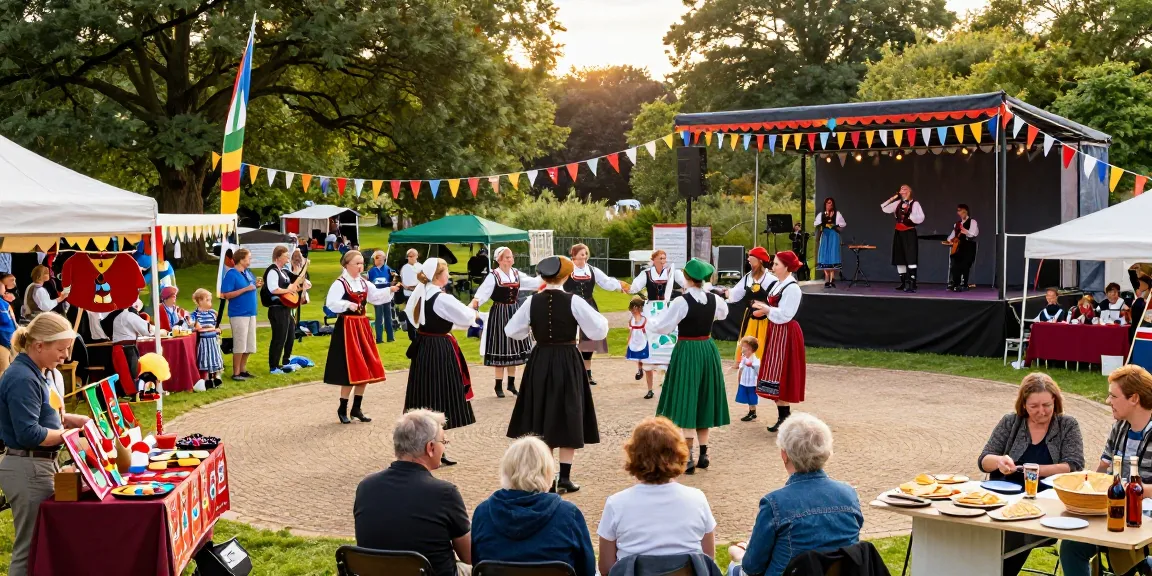
Festivals play a crucial role in celebrating and preserving Breton culture. Events such as the Festival Interceltique de Lorient and the Fête de la Saint-Loup attract thousands of participants, showcasing traditional music, dance, and gastronomy. These celebrations not only serve as a platform for artists to exhibit their talents but also encourage community participation and engagement. Furthermore, festivals are instrumental in educating younger generations about their heritage, ensuring that the vibrant traditions of Brittany continue to thrive.
Major Events in the Breton Calendar
Key Festivals and Their Origins
Throughout the year, Brittany hosts a myriad of festivals that highlight different aspects of its culture. The Festival Interceltique de Lorient, for instance, celebrates the shared heritage of Celtic nations and includes performances from various artists representing Scotland, Ireland, and Wales, alongside local Breton talent. Another significant event is the Fête de la musique, which sees streets filled with performances from amateur and professional musicians alike, fostering a joyful atmosphere of cultural exchange.
Community Involvement and Participation
Community involvement is essential in making these festivals successful. Local associations and volunteers work tirelessly to organize events, ensuring that the spirit of Breton culture is alive and welcoming. From workshops that teach traditional dance to culinary events showcasing local delicacies, every aspect invites participation and fosters a sense of pride among residents. It is through this active engagement that the community can not only celebrate its culture but also pass it down to future generations.
Prominent Artists and Performers
Breton culture is also defined by its artists and performers, who bring the region's traditions to life. Musicians like Gilles Servat and singer-songwriter Nolwenn Leroy encapsulate the essence of Breton music while evolving its sound for modern audiences. Dancers and craftspeople also play a vital role, often showcasing their talents at festivals, thus promoting a rich tapestry of cultural expression that resonates with audiences both locally and internationally.
Engaging with Breton Arts
Types of Traditional Arts and Crafts
Breton arts are as diverse as the region itself, including forms such as painting, pottery, weaving, and traditional music. Each craft carries historical significance and often involves methods passed down through generations. For instance, the art of filigree jewelry-making and embroidery reflects the intricate designs inspired by nature and Celtic symbols, while traditional woodwork showcases the craftsmanship of local artisans.
How to Support Local Artists
Supporting local artists is crucial for the sustainability of Breton culture. Purchasing handmade crafts, attending local exhibitions, and participating in workshops can directly contribute to the livelihood of these creators. Many artists also sell their work at festivals, allowing for direct interaction and appreciation of their craft. By investing in their art, communities can help ensure that Breton traditions continue to thrive.
Workshops and Learning Opportunities
For those interested in engaging more deeply with Breton culture, various workshops and classes are offered throughout the year. From Breton dance to traditional cooking, these learning opportunities provide hands-on experiences that deepen understanding and appreciation for the culture. Many associations, including Skeudenn Bro Roazhon, organize events specifically for this purpose, making it easier for individuals to connect with their heritage.
Preserving Breton Heritage
Challenges Facing Breton Culture Today
Despite its rich heritage, Breton culture faces several challenges in the modern era. Globalization and the dominance of major languages threaten the continuation of the Breton language and traditions. Younger generations are increasingly bombarded with influences from outside their region, which can lead to a decline in cultural practices. To combat these issues, it is essential for communities to actively engage in cultural preservation efforts.
Role of Associations in Cultural Preservation
Cultural associations play a pivotal role in the preservation and promotion of Breton heritage. Organizations like Skeudenn Bro Roazhon focus on organizing events and activities that celebrate traditional customs, encourage language use, and support local artists. These associations often collaborate with schools to educate children about their heritage, ensuring that the future generations remain connected to their roots.
How You Can Contribute to Cultural Preservation
There are numerous ways individuals can contribute to the preservation of Breton culture. Engaging with local associations, participating in cultural events, and supporting local artisans are effective methods. Advocacy for the Breton language in schools and public life also plays a significant role in maintaining its relevance. By making conscious choices to support local culture, everyone can help keep the spirit of Brittany alive.
The Future of Breton Culture in 2026
Emerging Trends in Cultural Practices
As we move towards 2026, several trends are emerging within Breton culture. The fusion of traditional forms with contemporary styles is becoming increasingly popular, as seen in modern interpretations of dance and music. Additionally, digital platforms are allowing artists to reach broader audiences, creating opportunities for collaboration beyond regional borders. This blend of tradition and innovation is vital to keeping the culture dynamic and relevant.
Impact of Digital Media on Breton Arts
Digital media plays a significant role in the evolution of Breton culture. Social media platforms enable artists to showcase their work, connect with fans, and promote upcoming events. Online workshops and virtual festivals have also made it easier for people to engage with Breton culture, particularly those unable to attend in person. This accessibility fosters a new generation of cultural enthusiasts eager to learn about and participate in Breton traditions.
Looking Ahead: Predictions for the Next Decade
Looking ahead, predictions indicate a continued blending of traditional and contemporary Breton culture, with a focus on sustainability and community engagement. As awareness of cultural heritage grows, so too does the demand for authentic experiences that honor the past while looking towards the future. The ongoing involvement of local associations and artists will be crucial in shaping the trajectory of Breton culture over the next decade.
What are the main features of Breton culture?
The main features of Breton culture include the Breton language, traditional music and dance, unique culinary practices, and various crafts. Each of these elements reflects the region's history and the influence of Celtic traditions.
How can I participate in local Breton festivals?
Participation in local Breton festivals can be achieved through volunteering, attending events, or engaging in workshops offered during the celebrations. Many festivals welcome newcomers to join in the festivities, making it easy to immerse oneself in the culture.
What role do artists play in Breton culture?
Artists are vital to Breton culture as they preserve and innovate traditional forms of expression. Whether musicians, visual artists, or craftspeople, they contribute to the cultural narrative and promote community identity.
How is Breton culture being preserved today?
Breton culture is being preserved through the efforts of cultural associations, educational programs, and active community involvement. Events and workshops foster engagement and help teach the younger generation about their heritage.
What are the upcoming trends in Breton artistic expression?
Upcoming trends in Breton artistic expression include the integration of digital media with traditional art forms, the embracing of sustainability in crafts, and the evolution of music that blends contemporary rhythms with traditional melodies.