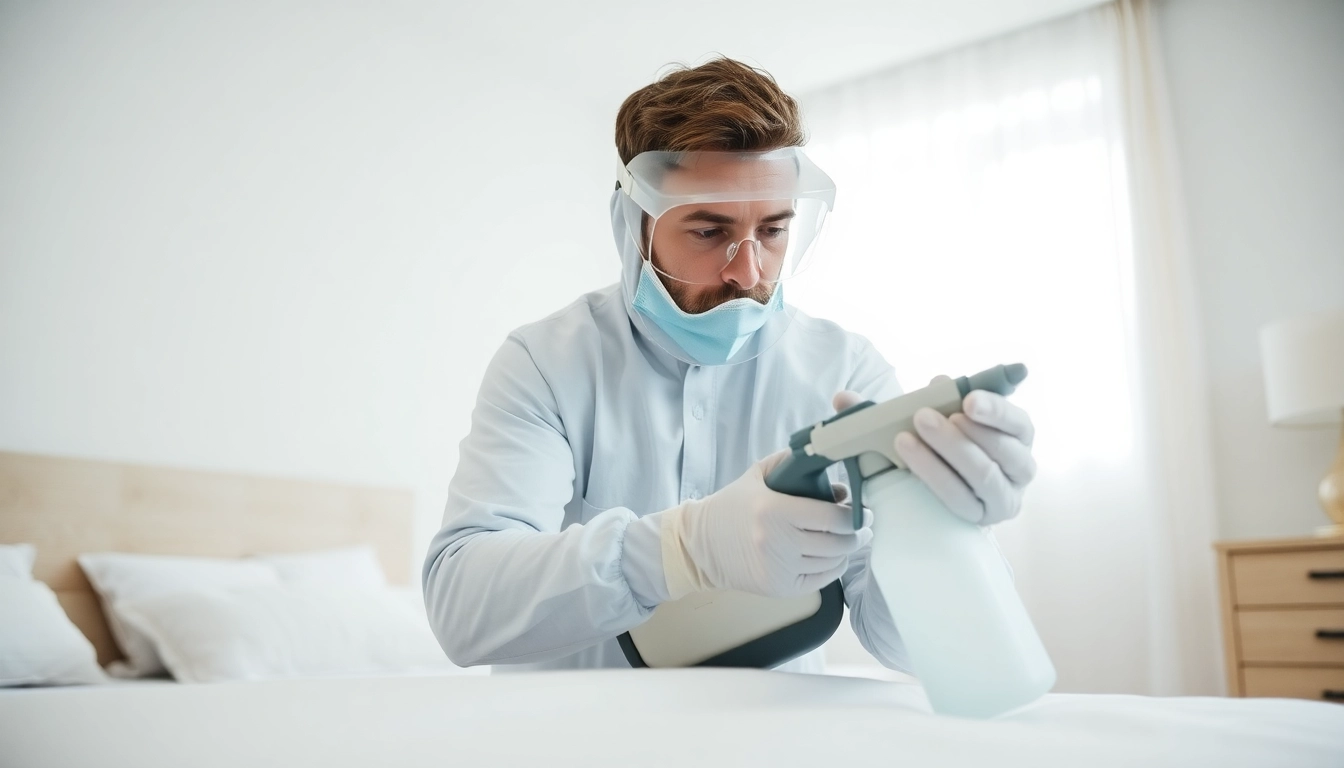
Understanding Bed Bugs and Their Behavior
What Are Bed Bugs?
Bed bugs are small, reddish-brown insects ranging from 1 to 5 mm in size that primarily feed on the blood of warm-blooded hosts. They are nocturnal creatures often found in places where people sleep, such as beds, sofas, and even luggage. Despite their name, bed bugs can inhabit any area where humans gather, making them a common nuisance in household and commercial settings alike. Their ability to hide in tiny crevices allows them to evade detection, which is contributing to their resurgence in urban areas worldwide.
The Life Cycle of Bed Bugs
The life cycle of a bed bug consists of five nymph stages and a final adult stage. From egg to adult, bed bugs take about 5 to 6 weeks under optimal conditions. Female bed bugs lay about 200 to 500 eggs throughout their lifetime, making early detection and control crucial. Eggs hatch within a week, and nymphs begin feeding immediately, further amplifying the infestation danger. Understanding their life cycle helps in developing effective bed bug control strategies.
Signs of Bed Bug Infestation
Identifying a bed bug infestation early is vital to achieving effective control. Common signs include:
- Itchy, red bites on the skin that often appear in a line or cluster.
- Dark spots on bedding and furniture, which are bed bug excrement.
- Molted bed bug skins and tiny white eggs in crevices.
- Unpleasant musty odors from heavily infested areas.
Checking for these signs can lead to quicker intervention, preventing a more significant infestation.
Importance of Bed Bug Control
Health Risks Associated with Bed Bugs
Beyond physical discomfort, bed bug bites can lead to secondary infections, anxiety, and insomnia. While they are not known to transmit diseases, the scratching of bites can result in skin infections. Furthermore, the psychological effects of living with bed bugs can cause stress, embarrassment, and significant lifestyle disruptions, making effective bed bug control essential for mental as well as physical health.
Why Timely Action is Crucial
Timeliness is key in bed bug control. The longer an infestation goes unchecked, the more difficult and costly it becomes to manage. Early intervention facilitates easier treatment processes, as infestations are generally less concentrated and easier to manage. Ignoring the problem not only endangers your health but also risks spreading infestations to neighboring properties.
Cost Implications of Delayed Treatments
The financial burden of delayed bed bug control can be significant. It is not uncommon for initial DIY treatments to fail, leading homeowners to seek professional extermination services that can range from hundreds to thousands of dollars. Moreover, many insurance plans may not cover treatment costs, placing additional financial strain on individuals and families. Investing in timely bed bug control can save both money and stress in the long run.
Effective Bed Bug Control Methods
Professional Extermination Techniques
Hiring a professional pest control service offers comprehensive solutions for severe bed bug infestations. Experts employ an array of techniques, including:
- Insecticides: Targeted treatments using chemical insecticides that are effective against bed bugs.
- Heat Treatments: Raising the temperature of infested areas to over 120°F effectively exterminates bed bugs and their eggs.
- Steam Treatments: High-temperature steam can kill bed bugs on contact, particularly in hard-to-reach areas.
Professional services can guarantee thoroughness, often providing follow-ups to ensure complete eradication.
Do-It-Yourself Bed Bug Control Tips
While professional services are effective for severe situations, many homeowners may first attempt DIY methods for minor infestations. Some practical strategies include:
- Vacuuming frequently, especially around mattress seams and baseboards.
- Washing bedding and clothing regularly in hot water and drying on high heat.
- Using encasements for mattresses to trap and starve bed bugs.
- Sealing cracks and crevices where bed bugs could hide.
While these methods can be helpful, they are most effective when used in conjunction with professional treatments for extensive infestations.
Utilizing Heat and Physical Removal
Heat and physical removal can significantly reduce bed bug populations. Using portable heaters designed for bed bug treatment can raise the temperature in targeted areas to lethal levels for these pests. Steamers are also effective for applying high temperatures directly to infested furniture and bedding. Physical removal, such as vacuuming, can eliminate visible bugs but should always be accompanied by further treatments to ensure that any remaining bed bugs or eggs are dealt with appropriately.
Preventing Future Infestations
Best Practices for Homeowners
Preventing bed bug infestations requires vigilance and proactive measures. Homeowners can implement best practices such as:
- Regularly inspecting luggage and belongings after travel.
- Avoiding purchasing used mattresses or furniture without thorough checks.
- Utilizing bed bug interceptors under bed legs to catch any wandering bugs.
- Encouraging discussion of pest control measures when hosting guests.
Early recognition and preventive measures can safeguard homes against future infestations.
Incorporating Regular Inspections
Regular inspections are vital in early detection of bed bugs. Homeowners should establish a routine of checking potential hiding spots, such as mattresses, box springs, and furniture seams. Keeping a close eye on these areas allows for prompt action, should any signs of infestation emerge. Setting reminders for bi-monthly inspections can help maintain diligence.
Effective Cleaning Strategies
Maintaining cleanliness aids in preventing bed bug infestations. Employing effective cleaning strategies includes:
- Decluttering living spaces, as less clutter minimizes hiding places.
- Regularly cleaning mattresses and bedding and ensuring they are kept dry.
- Using vacuum bags that seal tightly and disposing of them immediately after cleaning.
By implementing these strategies, you enhance your home's defenses against bed bugs.
Frequently Asked Questions about Bed Bug Control
Can bed bugs live without a host?
Yes, bed bugs can survive for several months without feeding. This adaptability makes them challenging to eradicate once they invade. They typically seek hosts to feed on at night.
What are the signs of a severe infestation?
Signs of severe infestations include multiple bite marks on the body, blood stains on sheets, noticeable bed bug excrement, and adult bugs or their shells in plain sight. Immediate action is advisable.
How often should bed bug treatments be applied?
Bed bug treatments should be conducted every 2-4 weeks, depending on the severity of the infestation and the method of treatment used. Following up is crucial in ensuring complete eradication.
Are DIY methods effective against bed bugs?
DIY methods can be effective for small infestations, but extensive infestations usually require professional extermination. Using a combination of methods can enhance effectiveness during early stages.
Will bed bugs return after treatment?
Yes, bed bugs can return if preventive measures are not taken. Consistent monitoring and implementing deterrent strategies are key in ensuring a long-term pest-free environment.