Understanding Flexible Packaging Solutions
Definition and Key Features
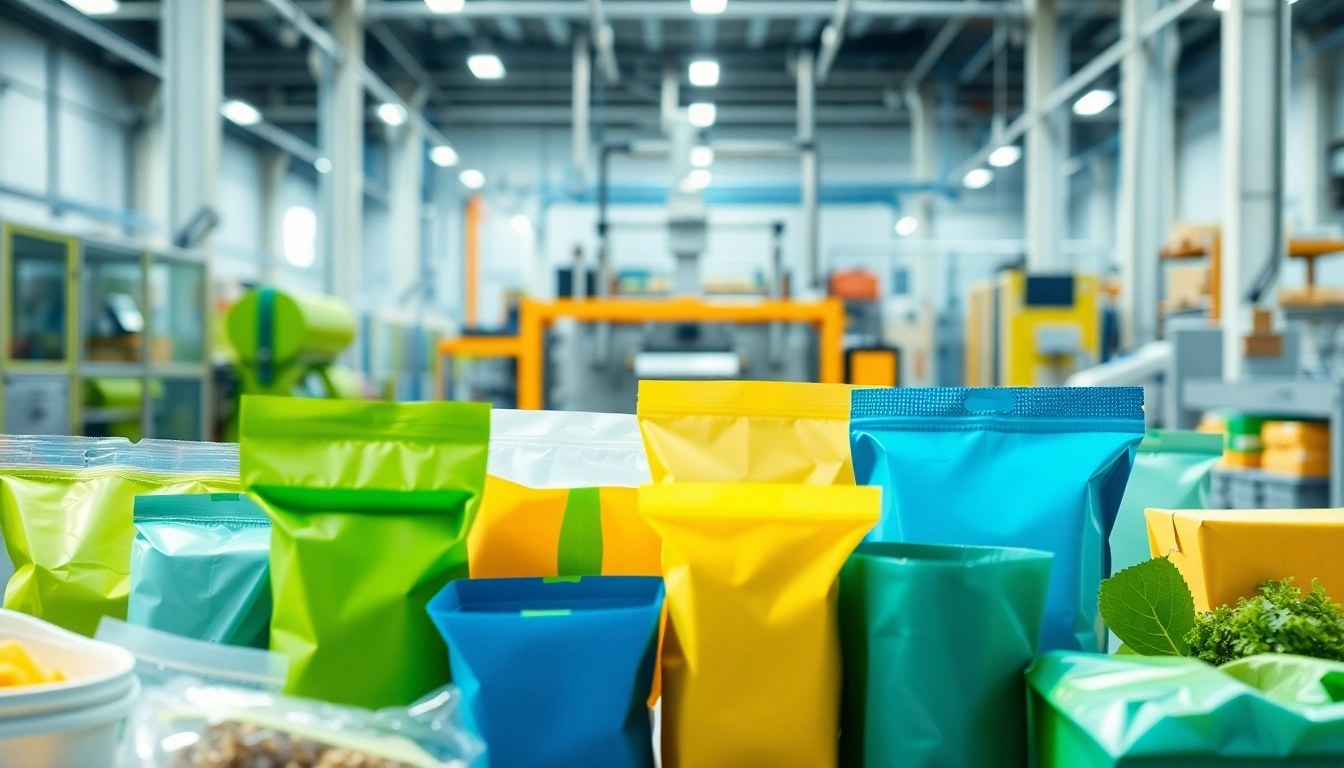
Flexible packaging solutions refer to packaging types that can be easily molded, folded, or shaped to suit various product forms. This adaptability allows for maximum product protection and consumer convenience. They are designed with a variety of materials, ranging from plastic films to aluminum foil, enabling brands to effectively showcase their products while maintaining functionality. Flexibility is not just a physical characteristic; it encompasses the ability to provide various configurations such as pouches, bags, wraps, and films. With the rising demand for sustainable packaging, modern flexible packaging solutions also integrate biodegradable and recyclable materials, accounting for environmental considerations. For businesses striving to stay competitive, exploring Flexible Packaging Solutions is essential for modern packaging needs.
Importance in Modern Industries
Flexible packaging solutions play a crucial role in numerous industries, including food and beverage, pharmaceuticals, cosmetics, and consumer goods. In the food and beverage industry, for example, flexible packaging helps extend shelf life, preserve flavors, and minimize waste while ensuring presentation and freshness. In pharmaceuticals, it provides safe drug delivery systems and enables ease of dispensing. The lightweight and space-saving nature of flexible packaging reduces transportation costs and aligns with global sustainability goals, making it a preferred choice for manufacturers aiming to reduce their carbon footprint.
Types of Flexible Packaging Materials
There are several types of materials used in flexible packaging, each offering specific benefits tailored to various product needs. Common types include:
- Plastic Films: Widely used for their lightweight and moisture-resistant properties, available as polyethylenes, polypropylenes, and more.
- Foil: Provides excellent barrier properties against moisture, light, and oxygen, ideal for products that require extended shelf life.
- Paper: Often used in conjunction with other materials, offering printability and recyclability.
- Compostable Materials: Include plant-based plastics that break down naturally, aligning with increasing consumer demand for sustainable options.
Benefits of Flexible Packaging Solutions
Cost-Effectiveness and Efficiency
The use of flexible packaging solutions often results in substantial cost savings for businesses. Their lightweight nature reduces shipping costs and storage requirements. Additionally, the materials can be manufactured to create smaller, more efficient packages, allowing companies to ship more products per shipment. This efficiency translates into quicker turnaround times and responds to market demands faster.
Environmental Impact and Sustainability
One of the standout benefits of flexible packaging is its relative environmental advantage. Flexible packaging options consume less raw materials in production, use less energy in transportation, and occupy less space in landfills. Many modern flexible packaging solutions are produced with sustainability in mind, employing recyclable or compostable materials to further reduce ecological impact. Brands are now able to make a positive environmental statement while still meeting consumer demand.
Product Preservation and Consumer Convenience
Flexible packaging offers superior product preservation capabilities, shielding goods from moisture, UV rays, and oxygen that could compromise product quality. This preservation is particularly critical in the food industry, where freshness is paramount. Additionally, flexible packaging enhances the consumer experience, featuring easy-open designs, resealability, and convenience in storage. These factors contribute to increased consumer satisfaction and loyalty, which can significantly impact a brand's market positioning.
Choosing the Right Flexible Packaging Solutions
Factors to Consider
When selecting flexible packaging solutions, businesses should evaluate several factors:
- Product Compatibility: Ensure the packaging material aligns with the product's characteristics, including compatibility with ingredients and storage conditions.
- Target Audience: Understand the preferences and behaviors of the target market, which can influence packaging design and usability.
- Sustainability Goals: Evaluate how the packaging choice fits into broader sustainability objectives to meet corporate social responsibility targets.
- Cost and Budget Constraints: Consider the necessary budget for production, shipping, and consumer pricing, ensuring a balance between quality and cost.
Common Mistakes to Avoid
While navigating packaging choices, businesses should avoid common pitfalls:
- Overcomplicating Designs: While creativity is valuable, overly complex designs can confuse consumers. Aim for simplicity and intuitiveness.
- Neglecting Market Research: Skipping consumer insights can lead to mismatches in packaging design and audience preferences.
- Ignoring Compliance Needs: Failing to consider regulations related to packaging materials and labeling can result in costly penalties and product recalls.
Customization Options for Businesses
Customization in flexible packaging is essential for brand differentiation. Companies can tailor packaging through various options, including material selection, size, print design, and functionality enhancements. Custom features such as zippers, spouts, and tear notches can add significant consumer appeal. Collaborating closely with packaging suppliers for tailored solutions can enhance product visibility on shelves and improve user experience.
Implementing Flexible Packaging Solutions
Step-by-Step Guide
Implementing flexible packaging solutions can be efficient if approached systematically. Here’s a step-by-step guide:
- Identify Product Needs: Assess the specific requirements of the product regarding protection, shelf life, and marketing.
- Select Packaging Material: Choose materials based on durability, functionality, and sustainability considerations.
- Design and Prototyping: Collaborate with designers to create prototypes that reflect brand identity while ensuring functionality.
- Testing: Conduct tests for durability, product interaction, and compliance with regulations.
- Production: Once testing is approved, move swiftly into production while closely monitoring the process for quality control.
Supplier Selection Tips
Choosing the right suppliers is integral to successful packaging implementation. Businesses should look for suppliers with a proven track record in flexible packaging, strong quality assurance processes, and a commitment to sustainability. Additionally, evaluating their customer support and innovation capabilities can provide long-term benefits in collaboration and problem-solving.
Quality Control Measures
Quality control is essential in maintaining the integrity of flexible packaging solutions. Implementing regular testing and validation processes throughout production can help detect potential issues early. Companies should establish quality benchmarks, conduct random sampling of packaged products, and leverage feedback loops from consumers to ensure that packaging consistently meets standards.
Future Trends in Flexible Packaging Solutions
Technological Innovations Shaping the Industry
The future of flexible packaging is being transformed by technological innovations. Advances in printing technology, material science, and automation are improving production efficiency and design capabilities. Smart packaging, which incorporates sensors for tracking freshness and temperature, is also making headway, appealing particularly to food and pharmaceutical sectors.
Regulatory Changes
As sustainability continues to gain global traction, regulatory frameworks around packaging are evolving. Businesses should stay informed about upcoming legislation regarding biodegradable materials and recyclability. Adapting to these changes not only ensures compliance but can also enhance brand reputation in an increasingly environmentally-conscious marketplace.
Consumer Trends and Preferences
Today's consumers are more willing to embrace sustainable packaging options. Brands that focus on transparency and ethical sourcing of materials will likely resonate more with modern audiences. Additionally, convenience remains a priority, motivating innovations in easy-to-use designs and multifunctional packaging. Keeping a pulse on changing consumer preferences can help businesses position their flexible packaging strategies effectively.
Frequently Asked Questions (FAQs)
1. What are flexible packaging solutions?
Flexible packaging solutions refer to packaging types that can be easily molded or shaped using materials like plastic films and foil. They offer convenience and product protection.
2. What industries utilize flexible packaging?
Flexible packaging is utilized across various industries, including food and beverage, pharmaceuticals, cosmetics, and consumer goods, due to its versatile and protective characteristics.
3. How does flexible packaging benefit the environment?
Flexible packaging typically uses fewer materials and energy in production, and many products are designed to be recyclable or compostable, thus reducing landfill waste.
4. Why is customization important in flexible packaging?
Customization allows brands to differentiate their products visually and functionally, enhancing user experience while aligning with brand identity, which is critical in a competitive market.
5. What should I consider when selecting a packaging supplier?
Consider the supplier's experience, quality assurance processes, sustainability commitments, and their ability to innovate and support your specific packaging needs for optimal results.