Understanding the Importance of Dual Gate Signs
The Role of Dual Gate Signs in Construction
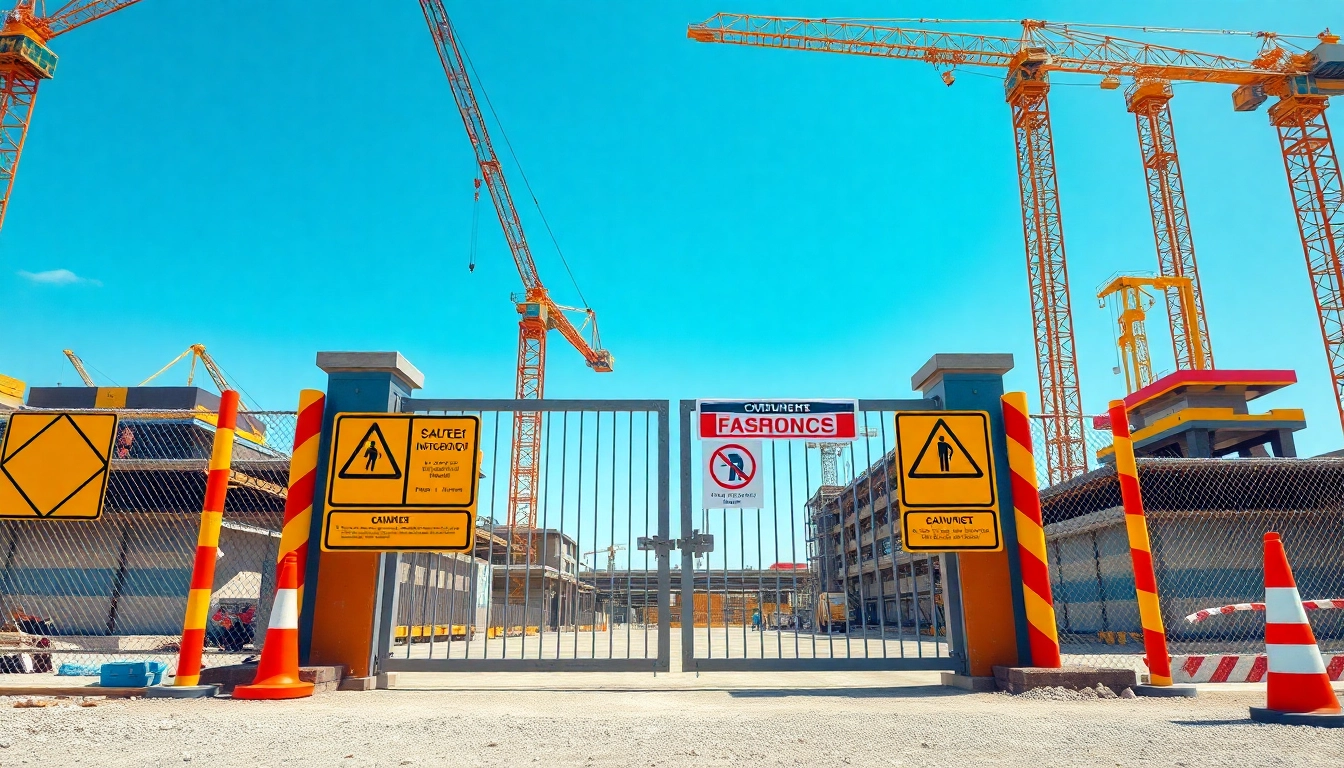
Dual gate signs serve a critical role in construction site safety, acting as a clear indicator of restricted access to unauthorized personnel. These signs are not only a regulatory requirement but also a vital part of establishing a secure environment around potentially hazardous areas. They contribute to the overall safety management strategy by guiding legitimate access and signaling caution to all moving within proximity to heavy machinery and construction activities. This makes dual gate sign construction site essential for any responsible construction operation.
Legal Requirements for Signage at Construction Sites
Legal mandates for signage at construction sites vary widely by region, but many commonalities exist. The Occupational Safety and Health Administration (OSHA) outlines certain requirements for safety signage to ensure worker protection. Typically, dual gate signs must meet specifications regarding size, font, color, and placement. Compliance with these regulations is critical, as failure to do so can result in significant fines and legal ramifications. Companies must stay informed about local, state, and federal regulations regarding construction signs to avoid penalties and ensure the safety of their workers and the public.
Benefits of Using Dual Gate Signs
Dual gate signs provide numerous benefits to construction sites, promising enhanced safety, compliance, and communication. Firstly, they create physical barriers to unauthorized access, effectively minimizing risks of accidents involving trespassers. Secondly, they can foster a culture of safety within the workforce by constantly reminding workers of possible hazards. Lastly, well-placed and informative signage can expedite emergency response efforts when necessary, as they guide first responders to specific areas quickly and effectively.
Design Essentials for Effective Dual Gate Signs
Key Elements to Include in Your Dual Gate Sign
Effective dual gate signs should incorporate essential elements that communicate their message clearly. Key components include:
- Bold Text: Use easily understandable language, preferably in large font sizes.
- Pictograms: Visual cues enhance comprehension, especially for non-English speakers.
- Contact Information: Provide details on-site personnel or contact points for emergencies.
- Clear Warnings: Use concise language indicating danger or restricted access.
These aspects contribute to creating a sign that serves its purpose effectively and can be understood at a glance.
Choosing the Right Materials for Durability
The durability of dual gate signs is vital for their longevity and effectiveness. Signs should be made from weather-resistant materials to withstand the elements, such as high-strength plastics, metals, or treated wood. Furthermore, employing high-quality inks resistant to fading aids in maintaining visibility over time. This is particularly important in locations experiencing harsh weather or direct sunlight, as signs must remain legible regardless of external conditions.
Color and Visibility: Best Practices
Color plays a crucial role in ensuring visibility and conveying messages effectively. High-contrast colors, such as yellow, orange, and red, are commonly used in safety signage due to their high visibility. Additionally, reflective materials can be integrated into the design for nighttime visibility. Best practices include using dark text on light backgrounds or vice versa, ensuring that the sign stands out against its surroundings and is easily noticed from a distance.
Implementing Safety Protocols with Dual Gate Signs
Integrating Signage into Overall Safety Plans
For dual gate signs to be effective, they must be integrated into a broader safety plan. This involves conducting risk assessments to identify areas needing signage and determining the best locations for maximizing visibility. Furthermore, aligning these signs with other safety protocols, such as hazard communication and training programs, ensures that they become an intrinsic part of the overall safety measures, enhancing overall compliance and awareness on the site.
Training Workers on Signage Compliance
Training plays a pivotal role in the effectiveness of dual gate signs. Workers must understand the meanings of the signs and the importance of adhering to them. Regular safety meetings and training sessions should incorporate visual aids and practical demonstrations of signage protocol. By fostering a culture of respect for safety signage, workers will develop better habits regarding compliance, thereby enhancing overall safety outcomes at the construction site.
Monitoring and Enforcing Signage Policies
Establishing and enforcing policies regarding dual gate signs is critical for ensuring compliance. Site supervisors should be tasked with regularly monitoring the sign’s condition and visibility. Moreover, implementing a clear disciplinary procedure for non-compliance can reinforce the importance of adherence to signage. Open channels for reporting issues or concerns related to signage can also facilitate proactive management of signage-related challenges.
Common Challenges Faced with Dual Gate Signs
Addressing Visibility Issues on Construction Sites
Visibility issues often arise due to obstructions like equipment and materials. To mitigate this, regular assessments of the construction site are essential to ensure signs remain unobstructed and visible. Consider employing temporary repositioning of signs during various construction stages and using additional signage to guide and inform around obstacles.
Overcoming Resistance from Workers and Stakeholders
Worker and stakeholder resistance to signage can pose a significant challenge. Successful strategies include involving workers in the creation and placement of signage to foster a sense of ownership and accountability. Communicating the benefits of dual gate signs in terms of safety and legal compliance can also help gain buy-in from all parties involved. Enhanced education and proactive dialogue can dissolve skepticism and encourage cooperation.
Updating Signs as Projects Evolve
Construction sites are dynamic environments where conditions and requirements change frequently. Therefore, dual gate signs must be regularly updated to reflect current site conditions. Maintaining an inventory of signs and implementing a clear schedule for their review and replacement ensures that signage remains accurate and effective throughout the duration of a project.
Measuring the Impact of Dual Gate Signs on Safety
Data-Driven Approaches to Assessing Compliance
Quantifying the effectiveness of dual gate signs involves collecting various safety metrics and compliance data. Conducting regular audits of site compliance with signage can reveal gaps and areas for improvement. Additionally, tracking incident reports related to unauthorized access can provide insight into the effectiveness of signage, allowing for data-driven adjustments to strategies and sign designs.
Case Studies of Successful Implementations
Several case studies demonstrate the positive impact of dual gate signs on safety protocols across different construction projects. In one example, a large infrastructure project reported a 40% reduction in unauthorized access incidents after implementing dual gate signs paired with enhanced visibility strategies. Another case study illustrated that community engagement and education on the purpose of signage can improve compliance rates significantly. Examining these examples enables other construction sites to learn and implement effective strategies tailored to their unique environments.
Adapting Strategies Based on Performance Metrics
Regular analysis of safety performance metrics enables construction site managers to make informed decisions about signage strategies. If data indicates a lack of compliance or visibility, adjustments such as sign redesign, relocation, or enhanced worker training programs can be implemented. Being adaptable and responsive to data findings fosters an environment of continuous improvement regarding safety signage and overall site safety.
FAQs
1. What are dual gate signs used for?
Dual gate signs indicate restricted access to construction sites, enhancing safety compliance.
2. What colors should be used for dual gate signs?
Bright colors like yellow and orange are recommended for visibility and safety.
3. Are dual gate signs mandated by law?
Yes, legal requirements often dictate signage for safety and compliance at construction sites.
4. How can I improve the visibility of my dual gate signs?
Use reflective materials and ensure signs are placed at eye level and unobstructed.
5. Can dual gate signs be customized?
Yes, dual gate signs can be tailored to include specific safety instructions and branding.