Understanding the Basics of Kitchen Remodeling Tips
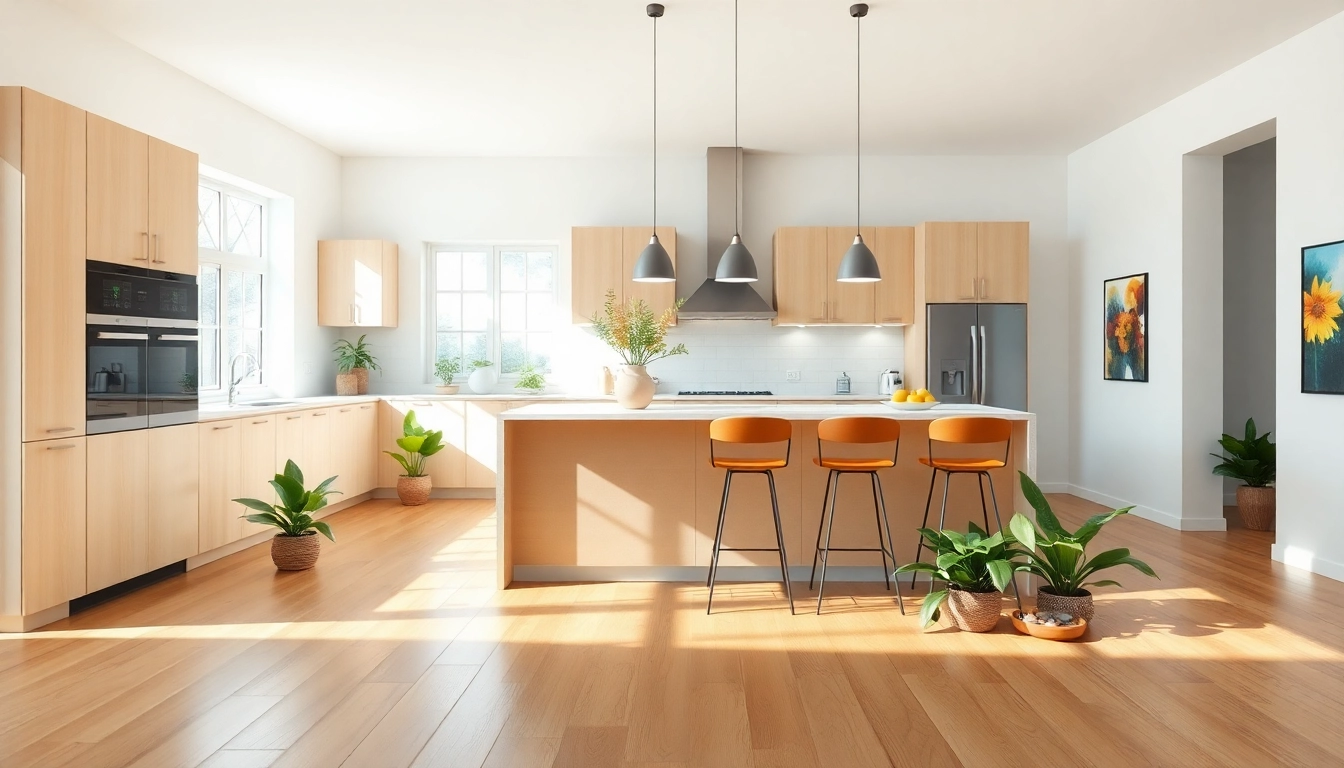
Embarking on a kitchen remodeling project can be both exciting and overwhelming. A well-planned kitchen remodel not only enhances your home’s aesthetic but also improves its functionality and value. To ensure a seamless renovation process, consider essential Kitchen Remodeling Tips that guide you through the journey from concept to completion.
Importance of Planning Ahead
Proper planning is fundamental to any successful kitchen remodel. Without a clear roadmap, you risk running into miscommunications, budget overruns, and extended timelines. Start by determining your goals: What do you want to achieve with your remodel? Are you looking to improve functionality, update designs, or both? Accurate planning will help keep your project on track and within budget.
Defining Your Style and Functionality
Before diving into renovations, consider your personal style and the overall theme of your home. Whether you prefer modern, traditional, or eclectic designs, defining your style will guide material choices, color palettes, and layout decisions. Additionally, enhance the kitchen's functionality by considering how you use the space. Evaluate your cooking and entertaining habits to ensure the new layout suits your lifestyle.
Setting a Realistic Budget
Establishing a realistic budget is crucial. Start by researching average costs associated with various remodel elements, including cabinets, countertops, and appliances. Factor in unexpected expenses—it's wise to allocate an additional 15-20% of your budget for contingencies. A well-defined budget keeps your project financially feasible and helps avoid financial strain down the road.
Essential Kitchen Remodeling Tips for Saving Time
Time is one of the most significant resources in a kitchen remodel. Here are practical tips to help you save time throughout the process:
Creating a Detailed Remodeling Timeline
Developing a timeline tailored to your project is essential for tracking progress. Break down the remodel into phases—design, demolition, construction, and finishing. Assign realistic deadlines to each phase and account for potential delays. A clear timeline promotes accountability and allows you to anticipate when the kitchen will be back in action.
Organizing Your Workspace Efficiently
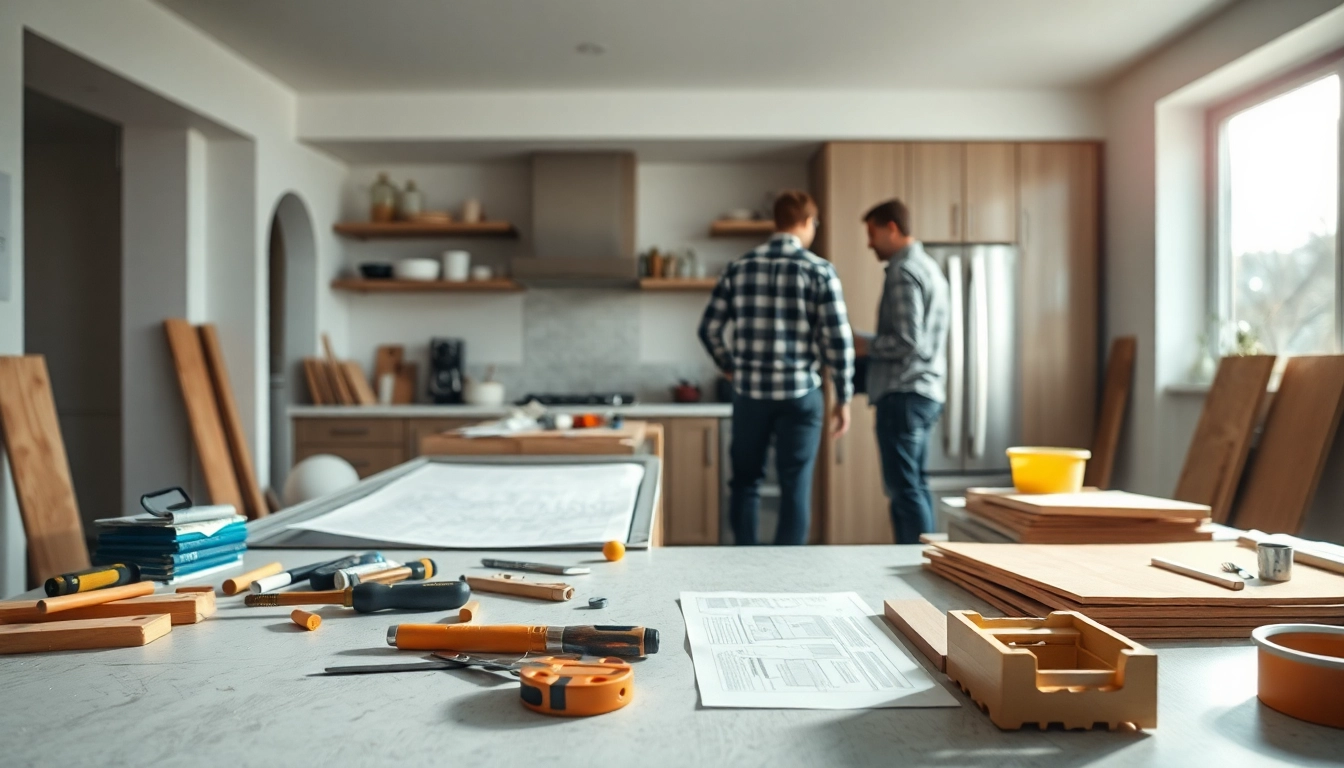
Maintaining an organized workspace is vital during the remodeling process. Keep tools, materials, and plans in designated areas to streamline operations. Consider implementing a project management tool or app for tracking tasks, timelines, and budgets to stay in control of various facets of the project.
Choosing Quality Materials and Contractors
Selecting quality materials can enhance the durability of your kitchen upgrades, ultimately saving you time and money over the long term. Likewise, hiring reputable contractors with proven experience will reduce the likelihood of mistakes and delays. Research contractors thoroughly, read reviews, and request references before making a hiring decision.
Budget-Friendly Kitchen Remodeling Tips
Cost management is crucial when planning a kitchen remodel. Here are strategies to achieve your dream kitchen without overspending:
Cost-Effective Design Ideas
Consider designs that enhance aesthetics without incurring high costs. For example, opt for a fresh coat of paint rather than entirely new cabinetry. Refinish existing surfaces, use open shelving instead of traditional cabinets, and incorporate trendy backsplashes to elevate the look without exorbitant costs. Look for sales and discounts on materials, too.
DIY vs. Professional Help
Decide which parts of your remodel you can tackle yourself and which will require professional assistance. Entry-level projects, like painting or installing hardware, can often be done without hiring a contractor, saving you money. However, for complex tasks such as plumbing or electrical work, relying on skilled professionals is essential for safety and compliance with local codes.
Utilizing Existing Space Wisely
Make the most of your current layout by optimizing existing space rather than expanding. Consider configurations like U-shaped or L-shaped kitchens that maximize efficiency and storage while fitting within the existing footprint. Innovative storage solutions like pull-out shelves, lazy Susans, and drawer dividers can help you maintain organization without needing a bigger kitchen.
Common Kitchen Remodeling Mistakes to Avoid
Awareness of common pitfalls can safeguard your renovation success:
Neglecting Proper Measurements
Accurate measurements are crucial to ensure that all components fit seamlessly. Double-check measurements for cabinets, appliances, and countertops before placing orders. Sketching a layout with dimensions can also provide a clear visualization of spaces to ensure that everything flows correctly.
Overlooking the Importance of Lighting
Lighting plays a critical role in kitchen usability and ambiance. Plan for layered lighting that includes task, ambient, and accent options. Ensure you have surface lights for task areas, and consider pendant lights over kitchen islands. Don’t forget under-cabinet lighting to enhance the workspace and general aesthetics.
Ignoring Flow and Layout
A well-designed kitchen promotes efficient movement. When planning your remodel, think about key points of movement: cooking zones, cleaning stations, and food prep areas. It’s essential that these zones are logically positioned to avoid congestion and facilitate a smooth workflow.
Final Touches: Enhancing Your Kitchen with Style
As you approach the final stages of your remodel, pay attention to the finishing touches that will elevate your space:
Choosing the Right Decor and Accessories
Choosing decor that resonates with your style can add personality to your kitchen. Fill open shelves with decorative dishes and stylish containers. Use rugs and curtains that complement your color scheme, and consider wall art to create warmth and character.
Incorporating Multi-Functional Furniture
Furniture in the kitchen doesn’t have to be limited to traditional tables and chairs. Consider incorporating multi-functional pieces, such as kitchen islands with storage capability or extendable dining tables for versatility in use. These furnishings can enhance both functionality and aesthetics, maximizing the utility of your space.
Using Sustainable Practices in Remodeling
Incorporating sustainable practices into your remodel not only benefits the environment but also adds value to your home. Use energy-efficient appliances, sustainable materials, and installation methods to minimize waste. Upcycle or repurpose existing fixtures and furniture whenever possible to reduce costs while being eco-conscious.
Frequently Asked Questions (FAQs)
What is the first step in a kitchen remodel?
The first step in a kitchen remodel is to define your goals and create a clear plan. Assess your needs and preferences to establish a vision that aligns with your style and budget.
How long does a kitchen remodel take?
The duration of a kitchen remodel varies, typically ranging from a few weeks to several months, depending on project complexity. Planning and efficient scheduling can minimize delays.
Can I live in my house during the remodel?
Living in your home during a remodel is possible, but it depends on the extent of the work. If significant appliances are being replaced, consider temporary accommodations for comfort.
What are the best materials for a kitchen remodel?
High-quality, durable materials are ideal for a kitchen remodel. Options include granite or quartz for countertops, hardwood or tile for flooring, and stainless steel for appliances.
Should I hire a contractor for my kitchen remodel?
Hiring a contractor is recommended for complex aspects of a kitchen remodel, such as plumbing and electrical work. A skilled contractor can ensure quality execution and adherence to local codes.