Essential Planning for Your Kitchen Remodel
Understanding Your Needs and Goals
Embarking on a kitchen remodel is both exciting and daunting. To set the foundation for success, start by identifying your primary needs and goals. Are you looking to increase storage, enhance functionality, or create a modern space that reflects your style? Engaging in thorough discussions with family members about cooking habits, social gatherings, and daily routines can provide invaluable insights. Furthermore, documenting your ideas and inspirations visually through mood boards can help solidify your vision.
Creating a Detailed Budget
Establishing a budget early on is crucial to avoiding financial pitfalls later. Outline all potential expenses, including materials, labor, permits, and unexpected costs that may arise. A good rule of thumb is to set aside at least 15-20% of your budget as a contingency fund. Use online budgeting tools tailored for home renovations to track your expenditures against your budget. This proactive approach will help you make adjustments without derailing your project's progress.
Setting a Realistic Timeline
Time management is essential in a kitchen remodel. Craft a timeline that includes all phases of the project—from planning and purchasing to demolition and installation. Factor in potential delays, especially when waiting for materials or permits. A well-structured timeline can help you stay on track, while regular check-ins can maintain momentum as you navigate through your renovation journey.
Choosing the Right Materials for Your Kitchen
Selecting Durable Surfaces
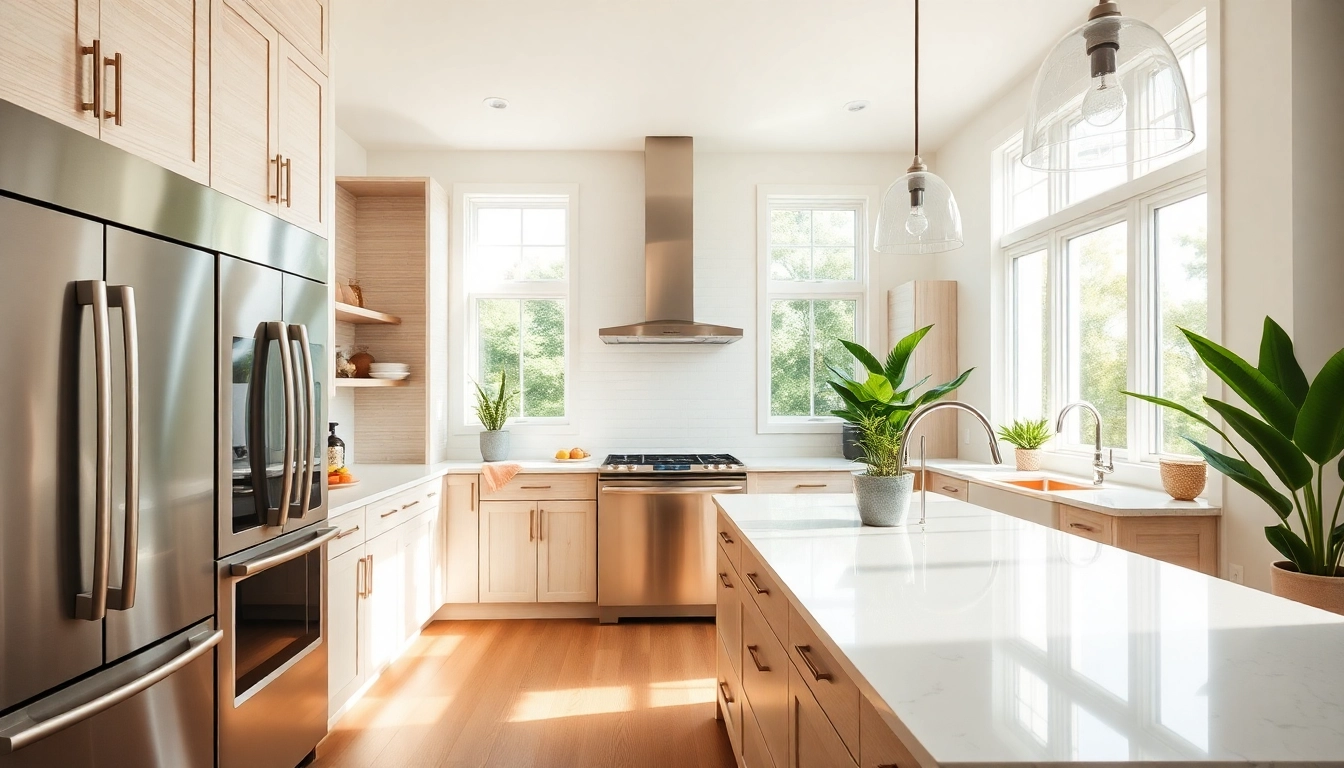
The choice of materials significantly influences the durability and aesthetic appeal of your kitchen. When selecting countertops, for example, materials such as quartz, granite, and butcher block offer excellent durability while enhancing the space's visual interest. Research the maintenance requirements of each material to ensure they align with your lifestyle. Consider the pros and cons of each option, including cost, durability, and maintenance.
Incorporating Energy-Efficient Appliances
Upgrading to energy-efficient appliances is not only beneficial for the environment but also offers long-term savings on utility bills. Look for the ENERGY STAR label, which indicates appliances that meet energy efficiency standards. Investing in quality brands or units can yield significant cost savings over time and contribute to a more sustainable home. Additionally, consider smart appliances that can improve functionality and streamline your kitchen experience.
Color Schemes for Different Ambiances
Color influences the mood and ambiance of a kitchen. Whether you prefer vibrant and lively shades or soft, calming hues, your choices should align with the overall theme and function of your space. Neutral palettes are popular for timeless elegance; however, incorporating bold accents can add character. Utilizing color psychology can guide your decisions—warm colors can stimulate appetite, while cooler tones promote relaxation.
Layout and Design Considerations
Optimizing Space Efficiency
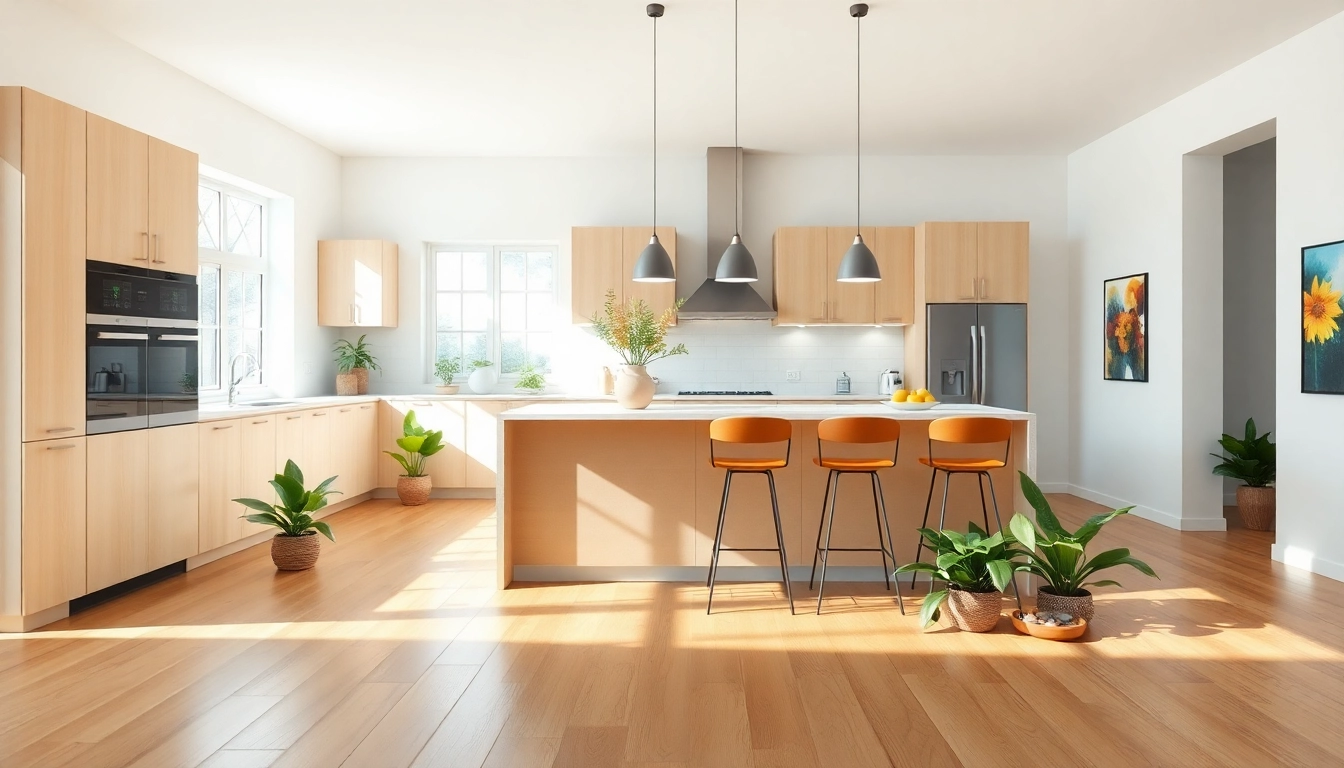
Efficiency is paramount in kitchen design. Explore layout configurations such as the L-shape, U-shape, or galley designs, which optimize workflow between stove, sink, and refrigerator—the classic work triangle. Every decision in your layout should facilitate a seamless cooking and dining experience. Including multifunctional furniture, such as islands with integrated storage or seating, can enhance space utilization.
The Importance of Traffic Flow
Traffic flow in your kitchen impacts not only the cooking experience but also social interactions. Designed thoughtfully, your kitchen should allow for free movement without congestion, especially when hosting gatherings. Ensure ample walkway space around your kitchen islands and appliances. Additionally, placing frequently used items (pots, dishes, etc.) within easy reach minimizes unnecessary movement and fosters an efficient cooking process.
Creating Zones for Cooking and Gatherings
Segmenting your kitchen into specific zones can enhance both functionality and aesthetics. Establish a cooking zone with all necessary tools and appliances, a prep zone to facilitate food preparation, and a dining zone for meals and gatherings. Islands can serve dual purposes, integrating cooking, prep areas, and dining spaces, making your kitchen truly multifunctional.
Hiring Professionals vs. DIY
When to Call in Experts
Understanding where to draw the line between DIY and hiring professionals can mean the difference between a successful remodel and a costly mistake. If your renovation involves structural changes, electrical work, or plumbing, hiring licensed professionals is essential. Not only does this ensure compliance with building codes, but it also guarantees quality workmanship that can stand the test of time. Always check credentials and references when selecting a contractor.
Cost-Effective DIY Strategies
For homeowners keen on reducing costs, there are several DIY elements that can be managed personally. Tasks such as painting, tiling backsplashes, and even light installations can be feasible if approached with proper research and patience. Moreover, repurposing or refinishing existing cabinetry can add character to your kitchen without the expense of new materials. Be honest about your skill level—it's crucial to approach projects that you’re comfortable with to prevent overwhelming setbacks.
Managing Contractors Effectively
If you opt to hire contractors, effective management is key. Start by establishing clear expectations and maintaining open lines of communication throughout the project. Regular site visits help ensure everything aligns with your vision. Utilize project management tools to keep track of progress, schedules, and payments, allowing any issues to be addressed promptly. A collaborative approach fosters a positive working relationship and enhances project outcomes.
Post-Remodel Maintenance and Enjoyment
Keeping Your Kitchen Functional
After your kitchen remodel is complete, maintaining functionality should remain a priority. Emphasize daily organization by implementing designated spaces for utensils and cooking tools. Use drawer dividers or cabinet organizers to maximize space and efficiency. Regularly audit your kitchen to ensure all items are in their rightful place, which will streamline your cooking process and make daily activities more enjoyable.
Regular Cleaning and Care Tips
Proper care ensures that your kitchen remains attractive and functional for years to come. Establish a cleaning routine that includes daily tasks such as wiping down surfaces and periodic deep cleaning of appliances and cabinets. Utilize appropriate cleaning products for specific surfaces to avoid damage. For example, acidic cleaners can harm natural stone surfaces, while wood finishes require nourishing oils to maintain their appeal.
Making the Most of Your New Space
Utilize your newly remodeled kitchen to its fullest potential. Experiment with various layouts for optimal workflow and inviting atmospheres when entertaining. Incorporate decorative elements that reflect your personality and style—such as artwork, plants, and personalized dishware. Finally, encourage family and friends to engage in cooking and meals together as a way to create lasting memories in your beautiful space.
Frequently Asked Questions
What permits do I need for a kitchen remodel?
Permit requirements vary by location. Generally, structural, plumbing, and electrical changes require permits. Check with local building authorities for specific regulations.
How long can a kitchen remodel take?
The duration of a kitchen remodel can range from a few weeks to several months, depending on project scope, complexity, and contractor availability.
What is the most expensive part of a kitchen remodel?
Typically, cabinetry, countertops, and appliances are the most expensive elements. Budgeting appropriately for these items is crucial for a successful remodel.
Can I live in my home during the remodel?
Yes, but it may be inconvenient. Consider temporary cooking arrangements and managing noise and dust during the renovation process.
How do I find a reliable contractor?
Seek recommendations from friends or use online resources to find reviews. Interview multiple contractors, check licenses, and request references to ensure reliability.
For more detailed insights on Kitchen Remodeling Tips, engaging professionals and creating a comprehensive plan helps streamline the entire process. Investing time in planning leads to financial savings and a satisfying kitchen upgrade.