Understanding Celebrity Lookalikes
The phenomenon of finding someone who looks like a celebrity has captivated people for decades. This intrigue often leads to playful comparisons, where individuals wonder about their celebrity doppelgängers. With the rise of social media and advanced technology, apps and platforms that can assess facial similarities have surged in popularity. Not only do these tools cater to curiosity, but they also tap into a deeper psychological need for recognition and identity. When exploring options, looks like a celebrity tools provide comprehensive insights into this fascination.
What Does It Mean to Look Like a Celebrity?
Looking like a celebrity can mean various things, from having similar facial features to sharing a common style or aura. When someone says they look like a certain celebrity, it's often a compliment, signifying that they possess qualities regarded as attractive or admirable. It might involve sharing physical attributes—like hair color, eye shape, or even smile—while sometimes it is more about a perceived attitude or charisma. This phenomenon has led to a desire among many to discover who they resemble among the stars.
The Psychology Behind Celebrity Comparisons
Psychologically, the desire to be compared to celebrities stems from our innate need for social validation. Celebrities are often seen as societal ideals, embodying success, attractiveness, and charisma. When individuals compare themselves to celebrities, they may be searching for affirmation of their own qualities or aspirations. This comparison can boost self-esteem and provide a sense of connection to popular culture. Moreover, it can inspire individuals to emulate the traits they admire in their celebrity counterparts.
Popular Celebrity Lookalike Trends in 2026
As we move through 2026, trends in celebrity lookalikes continue to evolve. Increasingly, individuals are not just interested in celebrity comparisons for fun; they are using these insights for social media branding and content creation. Influencers and digital creators often leverage their lookalike status to curate personas that resonate with specific audiences. Additionally, trends like virtual reality experiences allow users to engage more deeply with their celebrity resemblance, blending entertainment with technology in unprecedented ways.
Technology Behind Celebrity Lookalike Tools
Advancements in technology have significantly influenced how we identify celebrity lookalikes. The rise of artificial intelligence (AI) and machine learning has propelled the development of sophisticated facial recognition algorithms. These tools analyze key features such as facial proportions, eye placement, and overall symmetry to match users with celebrities. As a result, the accuracy of these comparisons has greatly improved, leading to a more satisfying user experience.
How Face Recognition Technology Works
Face recognition technology uses algorithms to compare facial structures and features between different images. When a user uploads a photo, the software processes the image and identifies key landmarks on the face, such as the eyes, nose, and mouth. It then matches these data points to a database containing thousands of celebrity images. The technology works by calculating similarity scores that indicate how closely the uploaded image resembles various celebrities. Enhanced by deep learning techniques, this technology continues to advance, yielding increasingly accurate results.
Overview of Celebrity Lookalike Apps and Platforms
Numerous apps and platforms have emerged, allowing users to discover their celebrity counterparts effortlessly. Notable examples include "Celebs Like Me," which employs AI to compare user photos against a vast library of celebrity faces. Other platforms offer similar capabilities, focusing on user-friendly interfaces and quick results. These apps cater to all demographics, making the lookalike experience accessible to everyone, from casual users to serious enthusiasts.
Best Practices for Using Lookalike Tools Effectively
To maximize the experience of using celebrity lookalike tools, users should consider several best practices:
- Use High-Quality Images: Ensure the uploaded photos are clear and well-lit to improve accuracy.
- Experiment with Different Angles: Sometimes, changing the angle of the photo can yield different results.
- Engage with Others: Share your results on social media to connect with like-minded individuals and enhance the fun.
Exploring Cultural Perceptions of Celebrity Lookalikes
Celebrity culture influences identity in profound ways, shaping how people see themselves and others in society. The perception of celebrity lookalikes varies across different cultures, often reflecting local ideals of beauty and success.
Impact of Celebrity Culture on Identity
In many cultures, celebrities serve as role models, influencing trends in fashion, lifestyle, and even personal goals. This impact becomes particularly evident in the quest to find celebrity lookalikes, as individuals may aspire to mirror the appearance or lifestyle of their favorites. The drive to look like a celebrity can empower individuals but can also lead to unhealthy comparisons and unrealistic standards.
Regional Variations in Celebrity Recognition
Celebrity recognition varies significantly across regions. For instance, in the United States, Hollywood stars dominate popularity, while in other parts of the world, local celebrities may resonate more deeply with the public. This variation leads to different perceptions of beauty and success, and subsequently, different celebrity lookalike trends emerge based on cultural context.
Social Media's Role in Promoting Lookalike Trends
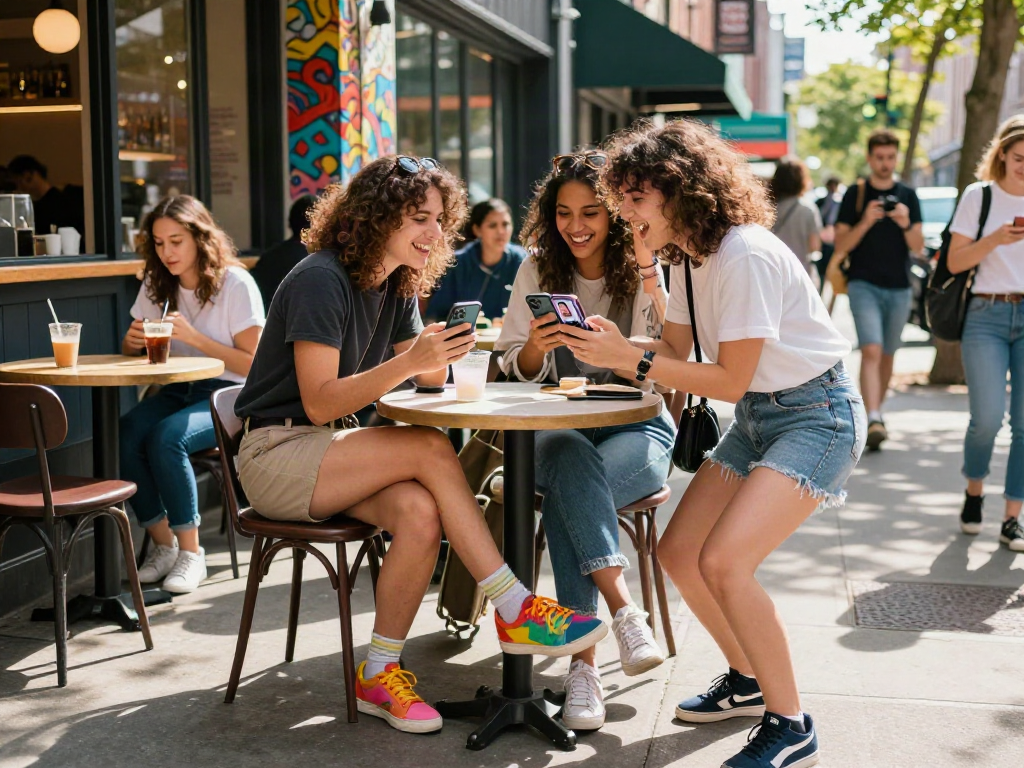
Social media platforms have amplified the phenomenon of celebrity lookalikes, providing users with tools to share their comparisons widely. Viral trends often emerge from challenges or apps that encourage users to post their lookalike results. This visibility not only promotes engagement but also fosters community around shared interests, creating a dynamic space for dialogue about beauty standards and identity.
Challenges and Misconceptions
Despite the fascination with celebrity lookalikes, there are several challenges and misconceptions that need to be addressed. It's crucial to approach this phenomenon with a balanced understanding.
Addressing Common Myths About Celebrity Lookalikes
One common myth is that resemblance to a celebrity automatically equates to beauty or desirability. In reality, beauty is highly subjective, and individuals may prioritize different traits in their comparisons. Another misconception is the belief that all lookalikes can easily replicate the lifestyles or experiences of the celebrities they resemble, which is often a far-fetched notion.
Understanding Diversity in Celebrity Comparisons
Celebrity lookalikes often reflect the diversity in the population. While some lookalike tools may focus primarily on mainstream celebrities, very few integrate a broader spectrum of cultural representations. Recognizing this diversity can enhance the relatability of these comparisons, and allow more individuals to see themselves in the celebrity narrative.
Ethical Considerations in Celebrity Lookalike Comparisons
There are ethical considerations when discussing celebrity lookalikes, particularly concerning the implications of matching identities based solely on appearance. Such comparisons can perpetuate stereotypes, and it's essential to remember that individuals are much more than their looks. Creating a space that respects personal identity while engaging with the fun of finding similarities is vital.
The Future of Celebrity Lookalike Technology
As technology continues to advance, the future of celebrity lookalike tools promises exciting developments that will enhance user experience and accuracy.
Emerging Trends in AI and Facial Recognition
The integration of AI in celebrity lookalike tools is set to evolve, with improvements in algorithms that will allow for even more detailed analysis of individual features. Future advancements may include the incorporation of emotional recognition, providing users with insights into how they may be perceived beyond just physical resemblance.
Predictions for Celebrity Lookalike Culture by 2026
By 2026, the celebrity lookalike culture is expected to become even more entwined with social media platforms, leading to interactive applications that allow users to not only discover but also interact with their celebrity matches in virtual settings. This engagement could extend to virtual meet-and-greets and personalized content creation.
How to Stay Updated on Celebrity Lookalike Innovations
To keep abreast of innovations in the celebrity lookalike space, users should subscribe to updates from popular apps, follow influencers who specialize in the topic, and engage in social media discussions. This proactive approach can enhance understanding of trends and facilitate a more enriching experience with these tools.
What Are Celebrity Lookalikes?
Celebrity lookalikes are individuals who share physical characteristics with famous personalities, leading to comparisons that often spark curiosity and admiration. The fascination with lookalikes is deeply rooted in our culture, as we often seek to associate ourselves with the glamorous lifestyles of celebrities.
How Can I Find Out Who I Look Like?
To find out who you look like, consider using celebrity lookalike apps or online platforms designed for face recognition. These tools analyze your photos and provide a list of celebrities you resemble, offering a fun and engaging way to explore your identity.
Are Celebrity Lookalike Apps Accurate?
The accuracy of celebrity lookalike apps can vary depending on the technology used and the quality of the uploaded photo. Generally, advanced AI algorithms deliver reliable results, but users should approach the findings with a sense of play and curiosity rather than as definitive outcomes.
What Makes a Good Celebrity Lookalike?
A good celebrity lookalike typically shares notable features with the celebrity, such as facial structure, hair color, or distinct characteristics. However, personality traits and energy can also play a significant role in why someone might be identified as a lookalike.
Why Do People Want to Find Their Celebrity Twin?
People often seek to find their celebrity twin for various reasons, ranging from curiosity to the desire for social validation. It can be a fun way to connect with popular culture, serve as a conversation starter, or simply indulge in the fantasy of glamour associated with celebrity status.