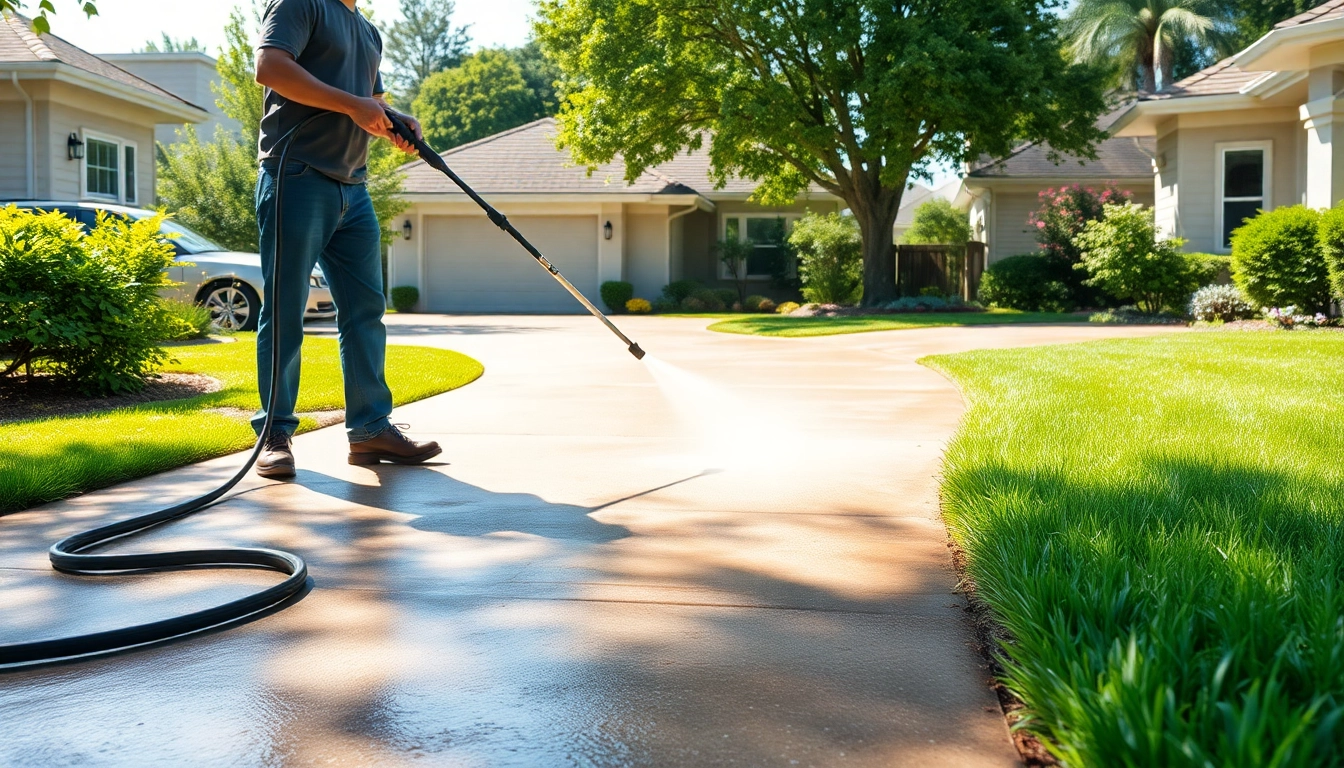
Understanding Driveway Cleaning
What is driveway cleaning?
Driveway cleaning involves the use of various methods to remove dirt, grime, mold, mildew, and stains from the driveway surface. The process can include pressure washing, chemical treatments, or manual scrubbing, depending on the type and extent of dirt accumulated. Engaging in driveway cleaning is crucial for maintaining both the aesthetic appeal and longevity of your driveway.
Importance of regular driveway maintenance
Regular maintenance of your driveway is essential for several reasons. First and foremost, it enhances curb appeal, providing a welcoming impression for guests and potential buyers. Secondly, neglecting maintenance can lead to the deterioration of the surface, resulting in costly repairs over time. Furthermore, a cleaned driveway reduces the risk of slips and falls, ensuring a safer environment for both residents and visitors.
Common driveway types and their cleaning needs
Different materials require unique cleaning approaches:
- Concrete: One of the most popular driveways. It can withstand high-pressure washing but may need chemical treatments for oil stains.
- Asphalt: While resistant to staining, asphalt is more prone to damage from high pressure. Use lower pressure and gentle chemicals.
- Pavers: Require a different approach to prevent shifting. Regular sealing helps maintain their appearance.
- Gravel: More about upkeeping than cleaning; raking and replenishing gravel periodically is essential.
Driveway Cleaning Techniques
How to choose the right pressure washer
When selecting a pressure washer, consider the PSI (pounds per square inch) rating as it determines the machine's cleaning power. For driveway cleaning, a washer with at least 2,000 PSI is recommended for concrete and asphalt surfaces. Machines with adjustable pressure settings are ideal as they provide versatility, allowing you to adjust according to the surface type and condition.
Essential tools and materials for driveway cleaning
In addition to a pressure washer, you'll need:
- Cleaning solutions: Choose degreasers, mold removers, or eco-friendly choices to target specific stains.
- Brooms and scrub brushes: For loose dirt and pre-treatment scrubbing.
- Squeegees: To manage water flow and ensure effective cleanup.
- Protective gear: Safety goggles and gloves are essential for personal protection while cleaning.
Step-by-step guide to effective driveway cleaning
- Preparation: Clear the area of any debris, furniture, or vehicles.
- Pre-wash: Sweep the driveway and, if necessary, apply a cleaning solution to stains.
- Pressure wash: Operate the pressure washer at a safe distance (about 12 inches) and in straight lines for even cleaning.
- Post-treatment: After washing, inspect for remaining stains and treat as needed.
- Drying: Allow the driveway to dry thoroughly to prevent slip hazards.
Skyrocket Your Driveway's Aesthetic
Removing stubborn stains effectively
Stains from oil and tire marks can be persistent. Using a specialized degreaser or a mixture of baking soda and water can help break down these tough spots. Allow the solution to sit for a while before scrubbing and rinsing. Sealing the driveway post-cleaning can also help protect against future stains by creating a barrier.
Tips for enhancing your driveway's appearance
To elevate the aesthetics, consider the following:
- Regular cleaning: Stick to a cleaning schedule to maintain the driveway's pristine condition.
- Sealing: Apply a sealant every couple of years to keep concrete or asphalt protected from the elements.
- Edge trimming: Maintain nearby landscaping to prevent overgrowth that detracts from the driveway's look.
Maintaining cleanliness post-cleaning
To keep your driveway clean longer, implement a maintenance routine. This includes regular sweeping, promptly addressing spills, and periodic cleaning every couple of months, especially after harsh weather. Keeping weeds and moss at bay can also prevent unsightly growths that ruin the appearance.
Cost Considerations for Driveway Cleaning
Factors affecting driveway cleaning costs
Multiple factors influence the cost of driveway cleaning, including the surface material, size, and condition of the driveway. Professional services typically charge by square footage, with concrete and asphalt usually falling between $0.30 and $0.55 per square foot, depending on local pricing and operational fees.
Comparing DIY vs. professional driveway cleaning
DIY driveway cleaning can save you money but may require time and effort, plus the rental or purchase of equipment. On the other hand, hiring professionals ensures a thorough job, often with access to superior equipment and techniques. Consider the long-term benefits and potential for costly mistakes when deciding your approach.
Budgeting for driveway maintenance
When budgeting for driveway maintenance, factor in routine cleaning, potential repairs, sealing costs, and products/tools for DIY cleaning. A realistic estimate should cover both immediate expenses and long-term upkeep to ensure your driveway remains in top condition for years.
Frequently Asked Questions
How much should driveway cleaning cost?
The standard price for driveway cleaning usually ranges from $0.30 to $0.55 per square foot, varying by location and driveway material.
How often should I clean my driveway?
It is advisable to clean your driveway at least twice a year to prevent accumulation of grime, mold, and stains.
Can I pressure wash my driveway?
Yes, you can pressure wash your driveway. Ensure you use the correct pressure settings based on the driveway material to avoid damage.
What cleaning products should I use?
Choose effective cleaners designed for specific stains, such as degreasers for oil spots and mold removers for organic growth.
Are there eco-friendly options for driveway cleaning?
Yes, many eco-friendly cleaning solutions are available, including biodegradable soaps and natural mixtures like baking soda and vinegar for cleaning.