Understanding Home Renovation Ideas
Definition and Purpose of Renovation
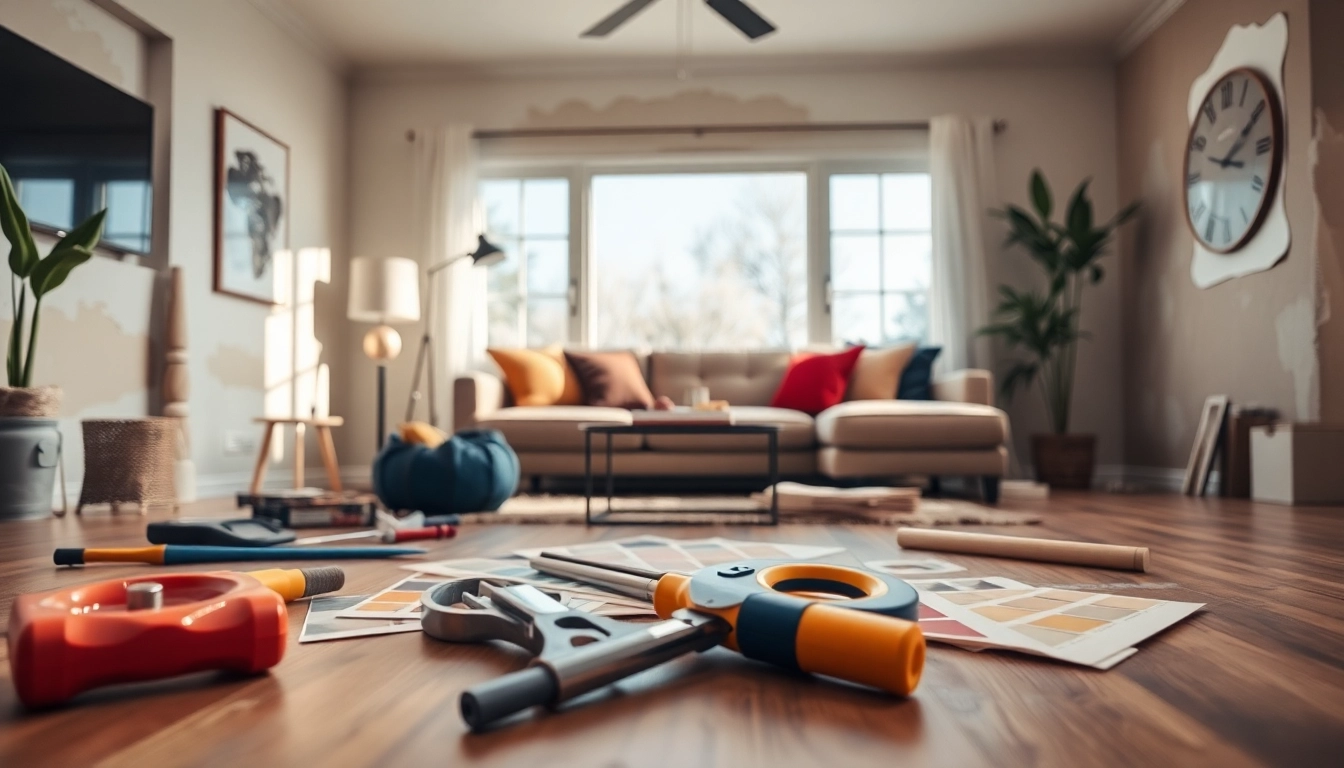
Home renovation refers to the process of improving or updating existing structures, spaces, or facets of a home. This can range from minor updates, such as repainting walls or replacing faucets, to major alterations that involve a complete overhaul of a room or area. The primary purpose of renovation is to enhance the functionality, aesthetic appeal, and value of a home. Homeowners often seek renovations to address personal preferences, adapt to changing family needs, or increase the property’s market worth. For those interested in exploring various options and inspirations, Home Renovation Ideas serve as a great starting point.
Benefits of Home Renovation Ideas
Renovating your home can come with numerous benefits. Here are some of the key advantages:
- Increased Property Value: Well-planned renovations can significantly boost the market value of your home, making it a wise long-term investment.
- Improved Aesthetic Appeal: Updating fixtures and structures can refresh your home’s look, making it more visually appealing to both residents and visitors.
- Enhanced Functionality: Whether creating an open floor plan or incorporating modern technology, renovations can improve the functionality of your space to better fit your lifestyle.
- Energy Efficiency: Upgrading old appliances, windows, and insulation can lead to lower energy costs and a smaller carbon footprint.
Common Misconceptions
Many homeowners may hold misconceptions about renovation. For instance, some believe that all renovations are prohibitively expensive or that they require extensive construction. However, renovations can be scaled to fit any budget and can focus on targeted areas, such as small décor changes, rather than full remodels. Others may think renovations take too long, but with proper planning, many projects can be completed in a reasonable timeframe.
Planning Your Home Renovation Ideas
Setting a Budget for Renovations
Every successful renovation begins with a well-defined budget. Determine how much you are willing to spend while considering potential unexpected expenses that may arise during the renovation process. Here’s a suggested breakdown of how to create your budget:
- Assess Your Financial Situation: Understand your savings and whether you need to explore financing options.
- Research Costs: Look into the costs of materials and labor for your proposed renovations to create a realistic budget.
- Include a Contingency Fund: Set aside an extra 10-20% of your budget for unforeseen expenses.
- Prioritize Projects: Decide which areas need immediate attention and which can wait, helping you allocate funds effectively.
Choosing the Right Design Style
Your home should reflect your personal style and preferences. When planning renovations, it’s essential to choose a design style that resonates with you. Here are some popular design styles:
- Modern: Features clean lines, minimalist décor, and often incorporates natural materials.
- Traditional: Combines classic features such as crown moldings and symmetrical layouts with rich colors and textures.
- Farmhouse: Emphasizes rustic charm with wooden accents, vintage furnishings, and a cozy aesthetic.
- Industrial: A mix of raw materials and modern elements, often leaving piping and bricks exposed.
Consider blending styles to create a unique look that fits your personality while maintaining coherence throughout the home.
Prioritizing Projects: Where to Start
Starting a renovation project can be overwhelming due to the abundance of choices. To effectively prioritize your projects, consider the following steps:
- Identify Needs: Assess the areas that need improvement based on functionality and safety.
- Consult Experts: Seek advice from contractors or designers for a professional assessment of your renovation plans.
- Factor in ROI: Evaluate potential return on investment to determine which projects will add the most value to your home.
- Create a Timeline: Develop a schedule to address your projects sequentially, focusing on one area at a time rather than spreading efforts too thin.
Incorporating Home Renovation Ideas in Different Spaces
Kitchen Renovation Ideas
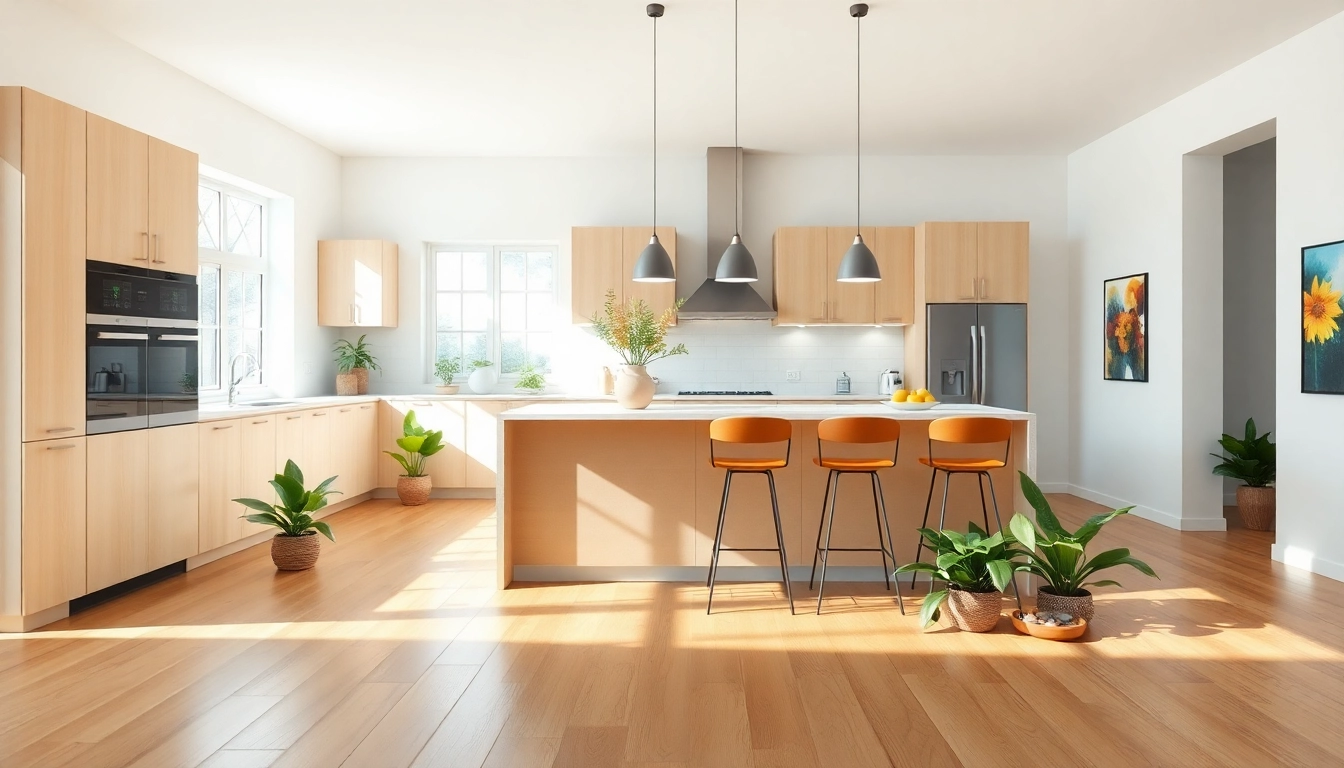
The kitchen is often considered the heart of the home. Renovating this space can yield substantial personal enjoyment and increase property value. Here are some popular kitchen renovation ideas:
- Open Concept Layout: Removing walls can create a spacious environment, enhancing flow between the kitchen and living areas.
- Upgraded Appliances: Invest in modern, energy-efficient appliances to improve functionality and aesthetics.
- Custom Cabinets: Tailored cabinetry can maximize storage space and reflect individual style.
- Backsplash Design: A stylish backsplash can serve as a focal point, using materials such as subway tiles or quartz.
Living Room Renovation Ideas
Your living room should be a comfortable gathering space. Here are renovation ideas to revitalize this area:
- Built-in Shelving: Creating built-in shelves offers practical storage while showcasing décor and books.
- Lighting Fixtures: Upgrade to statement lighting that enhances ambiance and style.
- New Flooring: Consider hardwood floors, luxury vinyl, or area rugs to enhance comfort and appearance.
- Feature Walls: Use paint or wallpaper creatively to establish a striking feature wall.
Bathroom Renovation Ideas
Bathrooms are another essential area where renovations can provide significant benefits. Consider these bathroom overhaul ideas:
- Replacing Fixtures: Installing modern faucets and showerheads can instantly update the look and improve water efficiency.
- Tile Upgrades: Enhance the aesthetic appeal of your bathroom with stylish tile patterns and materials.
- Storage Solutions: Incorporate cabinets or shelving to create more organization and declutter your space.
- Bathtub or Shower Redesign: Evaluating and possibly replacing your old bathtub or shower can influence both functionality and style.
DIY Home Renovation Ideas
Simple Projects for Beginners
Not all renovations require professional contractors; some projects are simple enough for motivated homeowners. Here are a few DIY-friendly ideas:
- Painting Walls: A fresh coat of paint can dramatically change the ambiance of any room.
- Updating Hardware: Replacing doorknobs, pulls, and hinges is an easy way to give furniture and cabinetry a modern twist.
- Landscaping Gardens: Planting flowers, shrubs, or adding mulch can enhance your home's curb appeal.
- Creating Accent Walls: Use removable wallpaper or art to create eye-catching focal points.
Cost-Effective Solutions
Renovating on a budget is entirely possible with strategic decisions. Here are some cost-effective renovation ideas:
- Repurposing Furniture: Give old furniture new life with a coat of paint or reupholstering.
- Using Affordable Materials: Explore budget-friendly materials that replicate the look of high-end options without breaking the bank.
- Thrifting and Upcycling: Incorporate unique finds from thrift stores or yard sales that can add character to your home.
- Seasonal Sales: Time your purchases with sales to maximize your budget, particularly on large items.
Resources for DIY Renovation
Numerous resources exist for those interested in DIY renovations. Consider the following:
- Online Tutorials: Websites and YouTube channels offer comprehensive how-to videos on various renovation projects.
- Home Improvement Books: Look for books that guide novices through various aspects of home renovations.
- Local Workshops: Many home improvement stores provide workshops for hands-on learning and skill-building.
- Renovation Forums: Online communities allow you to ask questions and share experiences with fellow DIY enthusiasts.
Maximizing Value through Home Renovation Ideas
Renovations that Boost Property Value
Understanding which renovations provide the best return on investment (ROI) can assist in elevating your property value. Popular renovations that can increase home value include:
- Kitchen Remodels: Upgrading countertops, cabinets, and appliances can yield high returns.
- Bathroom Additions: Adding an extra bathroom or enhancing existing ones can significantly impact value.
- Curb Appeal Enhancements: Landscaping, new siding, or updated roofing leads to improved first impressions.
- Energy Efficiency Upgrades: Improvements such as double-pane windows or advanced insulation attract buyers focusing on energy savings.
Long-term vs. Short-term Investments
When planning renovations, consider if your objectives align with long-term or short-term strategies. Short-term investments, like quick cosmetic updates, may offer immediate enjoyment but might not substantiate increased property values. Conversely, long-term renovations often include structural changes or sustainable options that yield value over time. Analyze your goals to determine which projects meet your needs.
Measuring the Success of Your Renovation
Post-renovation, it is essential to evaluate the success of your project. Key performance indicators may include:
- Increased Property Value: Appraisals or real estate agent assessments can guide decisions on the renovation's impact.
- Functional Improvements: Assessing whether the renovations meet your lifestyle needs and improve overall comfort.
- Cost vs. Value Analysis: Compare the expenses incurred with the value gained in terms of home equity and enjoyment.
- Resident Satisfaction: Collect feedback from family members regarding their experience with the renovated spaces.
Frequently Asked Questions
What is the correct order to renovate a house?
Start by inspecting the house, then define a plan. Source the right contractors, clean the slate, and tackle structural changes before focusing on aesthetics like painting and flooring.
How do I create a renovation budget?
Assess your finances, research project costs, include a contingency fund, and prioritize projects to allocate your budget effectively.
What renovations can increase the value of my home?
Kitchen remodels, adding bathrooms, improving energy efficiency, and enhancing curb appeal through landscaping can significantly increase property values.
Are DIY renovations worth it?
DIY renovations can save money and provide personal satisfaction. However, evaluate your skills and the complexity of the project before diving in.
How can I measure the success of renovations?
Success can be measured by increased property value, functional improvements, satisfaction from residents, and the return on investment from the projects.