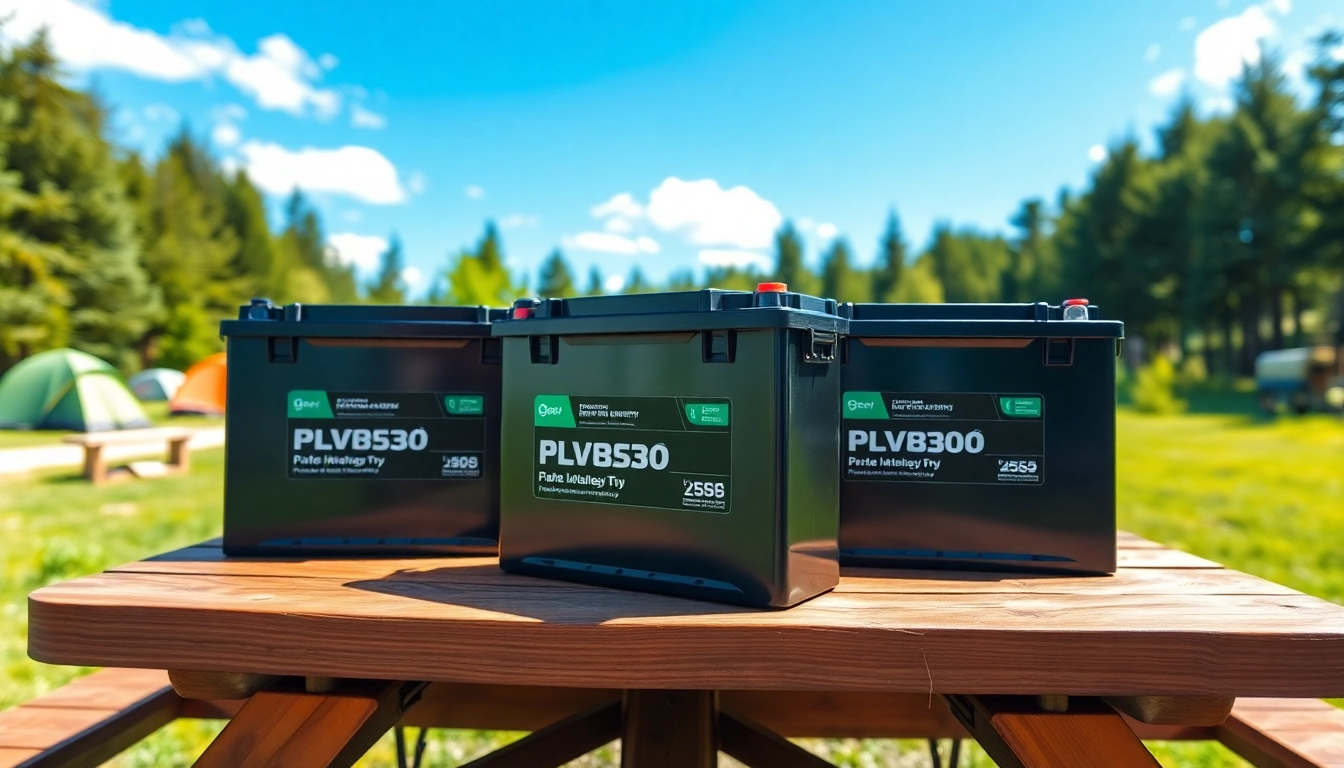
Understanding Lithium RV Batteries
In the ever-evolving landscape of recreational vehicles (RVs) and camping, power solutions play a critical role in enhancing the experience of outdoor adventures. Lithium RV batteries have emerged as a popular choice, thanks to their advanced technology and unparalleled performance. This article delves into various aspects of lithium RV batteries, including their functionality, benefits, installation, maintenance, and overall value proposition compared to traditional batteries.
What Are Lithium RV Batteries?
Lithium RV batteries are rechargeable energy storage devices that use lithium-ion or lithium iron phosphate (LiFePO4) chemistry. Unlike traditional lead-acid batteries, which rely on chemical reactions within lead plates and sulfuric acid, lithium batteries offer a modern approach to energy storage and management. They are specifically designed for applications that demand high performance, durability, and efficiency, making them an ideal choice for RV owners. With their lightweight construction, rapid charging capabilities, and unusually long lifespans, lithium RV batteries have quickly gained traction in the RV community.
How Lithium RV Batteries Work
The operation of lithium batteries is rooted in electrochemistry. When charging, lithium ions move from the battery's positive electrode to its negative electrode. During discharge, these ions flow back, providing power to electrical devices. Lithium RV batteries usually have sophisticated management systems (BMS) that monitor voltage, temperature, and charging cycles, ensuring optimal performance and safety. Additionally, they offer a higher depth of discharge (DoD), allowing users to utilize more of the battery's capacity compared to traditional batteries, thus maximizing efficiency.
Advantages Over Traditional Batteries
When comparing lithium RV batteries to traditional lead-acid options, several key advantages come into focus:
- Energy Density: Lithium batteries boast a higher energy density, meaning they provide more power in a smaller and lighter package, reducing the overall weight of the RV.
- Lifespan: Lithium batteries often last 2-3 times longer than lead-acid batteries, making them a more sustainable and cost-effective option in the long run.
- Faster Charging: The charging time for lithium batteries is significantly shorter, allowing RV owners to spend less time waiting for a full charge and more time enjoying their adventures.
- Greater Depth of Discharge: With lithium technology, users can discharge up to 80-90% of the battery’s capacity safely, compared to the 50% maximum for lead-acid batteries. This means more usable power when camping off-grid.
- Temperature Resilience: Lithium batteries perform better in extreme temperatures, making them ideal for varied climates.
Selecting the Right Lithium RV Batteries
Choosing the right Vatrer Power lithium RV battery can be a pivotal decision for ensuring the reliability and efficiency of your power supply. Here are important factors to consider:
Factors to Consider When Choosing
- Battery Capacity: Measured in amp-hours (Ah), this indicates how much charge the battery can hold and deliver over time. Assess your power requirements based on devices and duration of use.
- Size and Weight: Ensure that the battery fits the designated space in your RV and consider the impact of weight on overall vehicle performance.
- Brand Reputation: Opt for manufacturers with a proven track record in the lithium battery market. Quality matters when it comes to safety and performance.
- Warranty and Support: Look for warranties that cover the battery for an extended period, indicating manufacturer confidence in their product.
- Compatibility: Ensure that the battery is compatible with your RV’s electrical system and solar setup if applicable.
Understanding Battery Capacity and Performance
Battery capacity, usually expressed in amp-hours (Ah), is a crucial metric that influences how long your devices can operate without recharging. When selecting a lithium RV battery, consider the Ah rating alongside your power consumption needs. To accurately determine the capacity you require, think about the appliances you plan to use, such as refrigerators, lights, and charging devices. Additionally, consider factors like the expected duration of your trip and whether you'll have access to charging stations.
Common Uses for Lithium RV Batteries
Lithium RV batteries are incredibly versatile and can power a range of devices and systems within an RV. Common applications include:
- Refrigerators: Keeping food fresh while on the road is a priority, and a lithium battery can efficiently power a refrigerator for extended periods.
- Lighting: Enjoy bright and efficient lighting for your campsite or RV interiors without concerns about draining the battery.
- Electronics Charging: From smartphones to laptops, lithium batteries can handle various electronics, ensuring you stay connected throughout your journey.
- Heating Systems: In colder climates, having a reliable power source for heating systems is essential for comfort and safety.
Installation and Maintenance Tips
Proper installation and maintenance of lithium RV batteries will ensure lasting performance and efficiency. Below are key guidelines:
Step-by-Step Installation Guide
Installing a lithium RV battery correctly is essential for safety and efficiency. Follow these steps:
- Gather Materials: Ensure you have the appropriate battery, connectors, tools, and safety gear.
- Disconnect the Power: Before installation, disconnect any existing power sources to prevent shorts and electrical shocks.
- Mount the Battery: Secure the battery in a well-ventilated and accessible location, following the manufacturer's guidelines.
- Connect the Wires: Connect the positive terminal of the battery to the positive cable, and the negative terminal to the negative cable, ensuring connections are tight.
- Install a Battery Management System: If your battery does not have an integrated BMS, consider installing one to manage charging, discharging, and temperature monitoring.
- Reconnect the Power: Once everything is connected securely, re-establish power to the RV and monitor the system for any issues.
Maintenance Best Practices
Regular maintenance prolongs the lifespan of your lithium RV battery and enhances performance. Follow these practices:
- Check Voltage Regularly: Use a multimeter to monitor voltage levels and ensure the battery is functioning within the appropriate range.
- Keep Connections Clean: Inspect and clean terminals to prevent corrosion and ensure efficient power transfer.
- Temperature Monitoring: Avoid exposing the battery to extreme temperatures to ensure optimal performance and safety.
- Maintain Charge Levels: Periodically charge the battery to keep it within recommended voltage levels, preventing deep discharges.
Troubleshooting Common Issues
Knowing how to troubleshoot common issues with lithium RV batteries can save you time and hassle. Here are some common points to consider:
- Low Voltage: If your battery is not charging correctly, suspect connectivity issues or faults in the BMS.
- Inconsistent Performance: An erratic performance could indicate temperature-related shutdowns. Ensure the battery is within the recommended operating range.
- Failure to Charge: If your battery is not accepting charge, check for short circuits, faulty connections, or a malfunctioning charger.
Cost Considerations for Lithium RV Batteries
Investing in lithium RV batteries can appear daunting initially due to higher upfront costs compared to traditional alternatives. However, a thorough evaluation of the long-term benefits often negates any concerns. Here’s a breakdown:
Price Variances Among Brands
The price of lithium RV batteries can vary considerably based on brand, capacity, and features. Typically, batteries range from $800 to $2,500 depending on specifications such as amp-hours, weight, and additional technology, such as smart monitoring systems. It's crucial to balance initial costs against the battery's longevity, efficiency, and performance capabilities to find a suitable investment.
Long-Term Value and Savings
While lithium RV batteries may require a larger initial investment, they offer significant long-term savings through durability and reduced maintenance. Their extended life—often exceeding 10 years—alongside lower replacement frequency ensures that over time, the total cost of ownership is minimized. Furthermore, the decreased energy needs (through higher DoD and efficiency) will lower running costs, especially for off-grid users who rely heavily on stored power.
Understanding Warranty Options
When purchasing a lithium RV battery, carefully review the warranty terms, as they reflect the manufacturer's trust in their product. Warranties can range from 2 to 10 years, covering manufacturing defects and performance. Assess which aspects are covered and consider additional insurance for peace of mind. Comprehensive warranties often align with better-built batteries, serving as an essential factor in your selection process.
Frequently Asked Questions
Are lithium batteries worth it for an RV?
Yes, for frequent boondockers or travelers, lithium RV batteries offer a longer lifespan and greater usable capacity, making them a cost-effective choice over time.
How long will a 100Ah lithium battery run a refrigerator?
A 100Ah lithium battery can typically power a 12V refrigerator for 2 to 3.5 days, depending on the refrigerator's power consumption and other variables.
What is the lifespan of lithium RV batteries?
12V 300Ah Lithium Batterycan last 10 years or more, significantly longer than traditional lead-acid batteries, making them a worthwhile investment.
Can I use lithium batteries in colder temperatures?
Yes, lithium batteries often perform better in cold temperatures than lead-acid but may experience reduced capacity. It's ideal to monitor temperature factors closely.
How do I dispose of old RV batteries properly?
Old RV batteries should never be thrown away in regular trash. Instead, take them to designated recycling centers that handle battery disposal and ensure environmental safety.