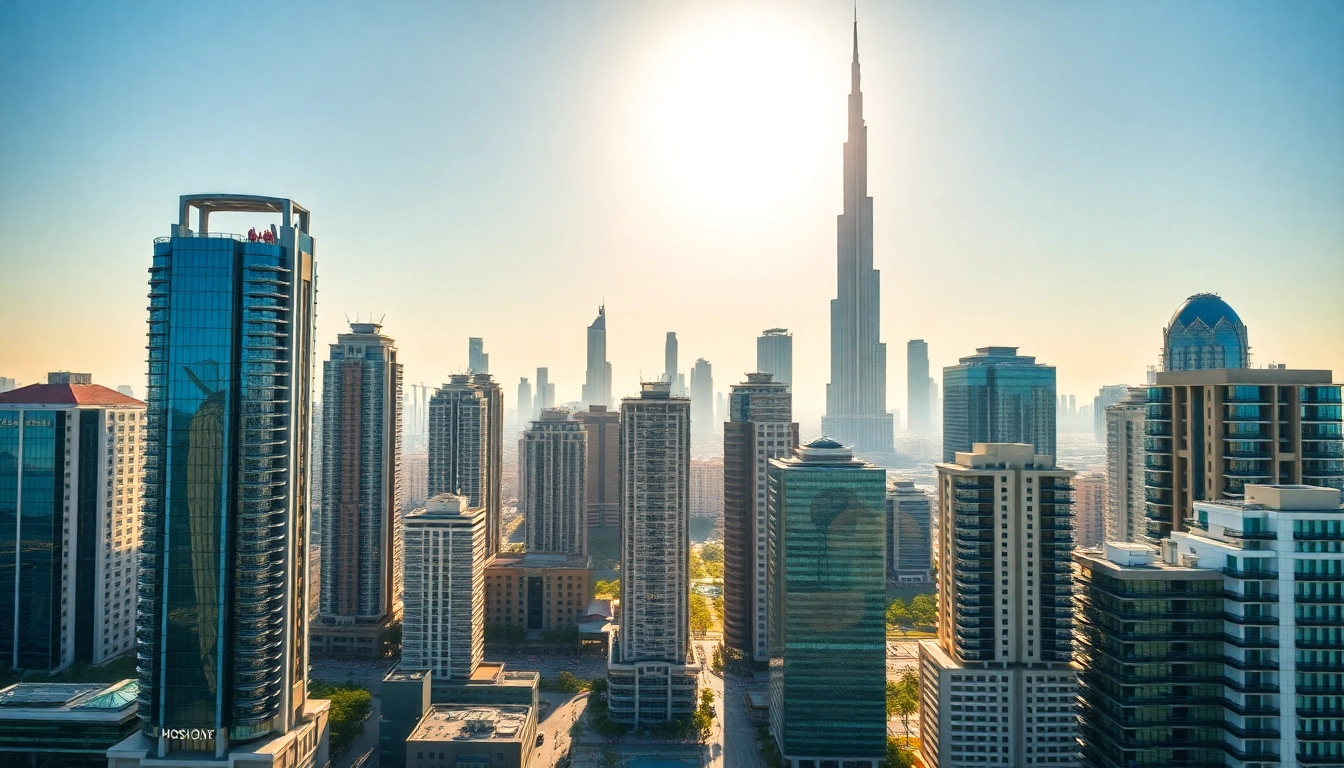
Understanding the Real Estate Market in Dubai
Market Overview and Growth Potential
The real estate market in Dubai has garnered significant attention over the past few years, characterized by rapid growth and remarkable resilience. With its strategic location, world-class infrastructure, and a diversified economy, Dubai has positioned itself as a global hub for real estate investment. The demand for both residential and commercial properties has surged, fueled by a growing expatriate population, enhanced tourism initiatives, and a favorable business environment. The emirate's commitment to innovation and sustainability also plays a pivotal role, making it an attractive destination for international investors seeking lucrative opportunities. For a comprehensive overview of properties available, you can explore real estate in dubai.
Key Factors Driving Demand
Several key factors contribute to the rising demand in Dubai's real estate sector. Firstly, the influx of expatriates, drawn by Dubai's lifestyle, tax benefits, and job opportunities, establishes a reliable rental market. Secondly, the government's initiatives to attract foreign investment, such as visa reforms and freehold property ownership in designated areas, have further catalyzed market activity. Thirdly, Dubai’s continuous improvement of infrastructure, accessibility, and ongoing flagship projects, including the Expo 2020 legacy developments, bolster international confidence in the market. Additional contributing factors include the emirate's robust economic growth, favorable currency exchange rates, and a transparent legal framework that protects buyers' rights and strengthens investor trust.
Recent Trends in Property Prices
Property prices in Dubai have seen a dynamic shift, influenced by various market conditions. In recent years, there has been a transition from a buyer's market to a more balanced approach, with prices stabilizing after previous fluctuations. High-end properties, particularly in neighborhoods like Dubai Marina, Downtown Dubai, and Palm Jumeirah, have witnessed consistent demand, leading to price appreciation. Meanwhile, emerging areas such as Dubai Hills Estate and Jumeirah Village Circle have seen increased interest due to competitive pricing and attractive amenities. Overall, while the luxury segment continues to thrive, the mid-range properties are also gaining traction, reflecting a diversified demand spectrum across the city.
Buying Property: Legal Considerations for Foreigners
Eligibility and Ownership Regulations
Foreigners can purchase property in Dubai, thanks to reforms that allow non-UAE nationals to enjoy full ownership rights in designated freehold areas. Understanding property ownership regulations is crucial for overseas investors. The Dubai Land Department (DLD) stipulates that buyers must provide various documents, including a valid passport and proof of financial capability. Foreign investors can also benefit from the absence of capital gains tax and personal property tax, making Dubai exceedingly attractive for long-term investments.
The Role of the Dubai Land Department
The Dubai Land Department plays a fundamental role in the real estate market by overseeing all land-related transactions and ensuring compliance with the regulatory framework. It acts as the official authority for property registration, providing security and credibility to the transactions. The DLD also conducts market research, ensuring transparency and enabling informed decision-making. Investors should familiarize themselves with DLD procedures, which cover registration fees, contracts, and title deeds to protect their investments.
Understanding Freehold and Leasehold Properties
In Dubai, properties can be classified into freehold and leasehold ownership. Freehold properties allow investors full ownership rights, including the land, and are available in designated areas such as Dubai Marina and Jumeirah Lake Towers. Conversely, leasehold properties grant the owner the property rights for a specific duration, typically 99 years, after which the property reverts to the landowner. Leasehold arrangements may appeal to those interested in specific developments or older properties, yet understanding the nuances is crucial in making a well-informed choice.
Types of Properties Available in Dubai
Residential Properties: From Apartments to Villas
Dubai's residential property market offers a diverse selection catering to various preferences and budgets. Apartments range from affordable studio units to expansive luxury penthouses, often boasting prime locations with ocean or city views. Properties in areas like Downtown Dubai and Dubai Marina are highly sought after due to their proximity to amenities and entertainment options. Additionally, villas in neighborhoods like Emirates Hills and Arabian Ranches provide spacious living environments with community amenities that attract families seeking a suburban lifestyle within the city.
Commercial Real Estate Opportunities
The commercial real estate sector in Dubai is equally dynamic, with a range of options including offices, retail spaces, and hotels. The emirate presents immense opportunities for businesses looking to establish their presence in the region, supported by a burgeoning population and an inflow of tourists. Key commercial zones like DIFC (Dubai International Financial Centre) and JLT (Jumeirah Lake Towers) are prime locations for businesses seeking modern facilities and networking opportunities, amidst a growing entrepreneurial ecosystem.
Luxury and Investment Properties
Dubai’s luxury real estate market is a prominent feature, drawing high-net-worth individuals and investors seeking exclusive properties. Iconic developments such as the Burj Khalifa and various signature projects along the waterfront offer exceptional investment potential. These luxury properties often come with premium amenities such as concierge services, private pools, and access to private beaches. Moreover, with a shortage of supply in the luxury segment and increasing demand, investing in high-end properties can yield substantial returns, both as a vacation home and for rental income.
Navigating the Buying Process
Steps to Purchase Real Estate in Dubai
Purchasing property in Dubai involves a series of steps that buyers must navigate to ensure a smooth transaction. Initially, potential buyers should conduct thorough research to identify suitable properties aligned with their investment goals. Following this, a preliminary agreement is made with the seller, often accompanied by a deposit. Buyers then need to obtain a No Objection Certificate (NOC) from the developer, which signals that the seller is clear to sell. The transaction is finalized at the DLD, where ownership is officially transferred, requiring payment of relevant fees and taxes.
Financing Options and Mortgages
While many foreign buyers are able to purchase property outright, various financing options are also available. Banks in Dubai offer mortgages to non-residents, although terms and conditions vary. Typically, banks require a down payment of at least 20-25% of the property value from foreign buyers. Some banks may request further documentation to assess creditworthiness, including proof of income and financial stability. Exploring mortgage options early in the buying process can facilitate a more streamlined transaction.
Common Pitfalls to Avoid
Investing in Dubai real estate can yield great benefits, but potential pitfalls exist. One common mistake is failing to thoroughly research the market and local regulations, which could lead to unexpected challenges. Buyers should also be cautious of off-plan properties where transparency around completion dates and quality can vary. Seeking legal advice and considering hiring a reputable real estate agent can mitigate these risks, ensuring that all necessary checks are completed before making a purchase.
Future Outlook and Investment Strategies
Emerging Neighborhoods and Developments
As Dubai continues to expand and develop, emerging neighborhoods present fresh opportunities for investors. Areas like Dubai South, much of which is linked to the Expo 2020 developments, are likely to see ongoing appreciation as infrastructure improves and new amenities are established. Furthermore, districts undergoing revitalization, such as Deira and Dubai Creek, offer potential for considerable returns as they transform into vibrant urban hubs. Investors dedicated to researching growth potential will benefit from identifying these burgeoning areas early.
Long-term ROI Expectations
Investment in Dubai's real estate can yield attractive returns, bolstered by a strong rental market. On average, investors can expect rental yields between 5-7% depending on the location and property type. Furthermore, rising property values in desirable neighborhoods often translate into capital growth over time. It’s important for investors to undertake due diligence regarding market trends and local demographics to make informed choices that align with their long-term financial goals.
Safe Investment Practices for Buyers
To ensure the safety of investments, buyers should adopt best practices, such as engaging with trustworthy real estate agents and obtaining all pertinent legal documentation. Conducting comprehensive title searches and inspections prevents potential disputes and exploits, providing peace of mind. Additionally, diversifying portfolios by exploring various property types can reduce risk exposure while enhancing both short and long-term revenues.
FAQs:
Can foreigners buy property in Dubai?
Yes, foreigners can purchase property in designated freehold areas with full ownership rights supported through the Dubai Land Department.
What is the average cost of property in Dubai?
The average cost of property in Dubai ranges significantly, typically from AED 250,000 to millions, depending on the type and location.
Is it easy to get a mortgage as a foreigner?
Many banks offer mortgages to foreign buyers, although requirements vary, including down payments of 20-25% and supporting documentation.
What are the annual property costs in Dubai?
Annual property costs include service fees, maintenance expenses, and low property tax, making ownership financially manageable.
How do I choose the right location for investment?
Researching emerging neighborhoods, assessing proximity to amenities, and analyzing market trends are key to selecting the right investment location.