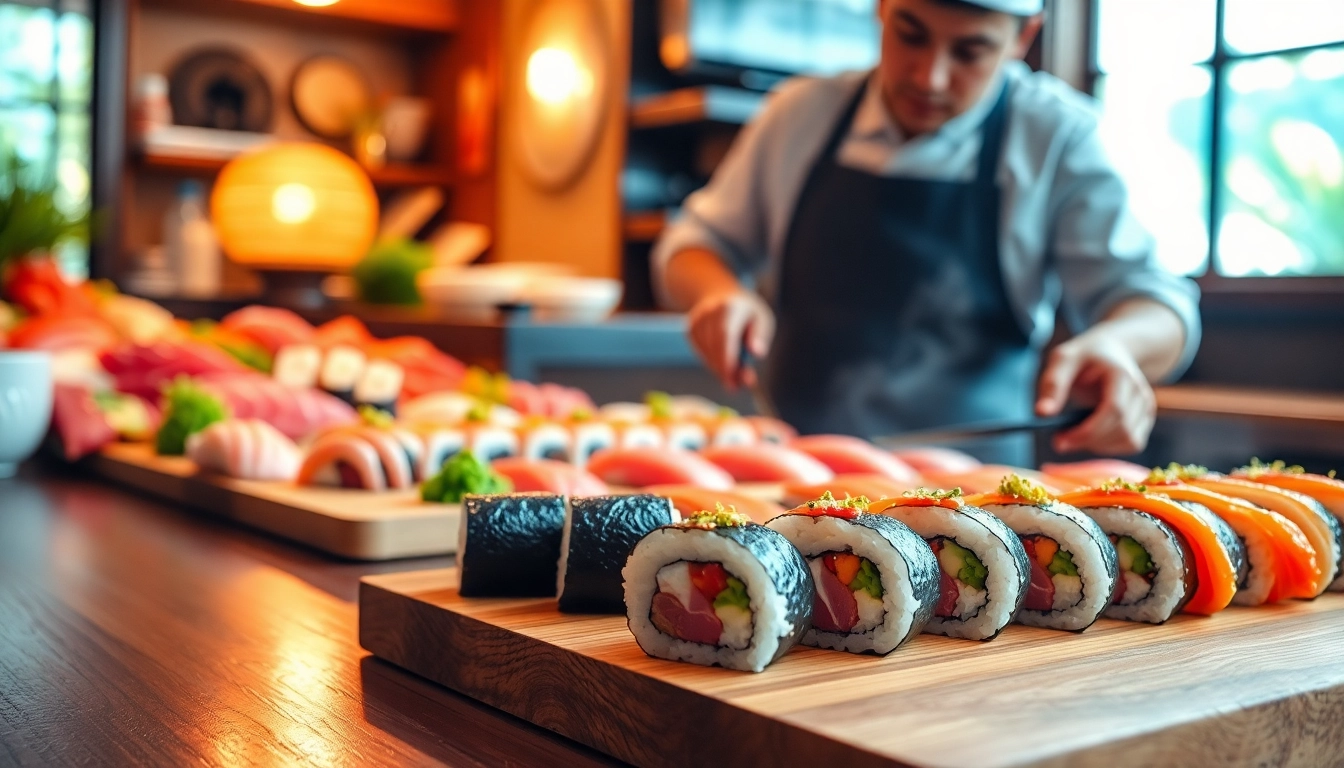
The Fundamentals of Sushi Making
Sushi is more than just a meal; it is a culinary art steeped in tradition and culture. Understanding the fundamentals of sushi making provides you with the foundation to create exceptional dishes that not only taste incredible but are also visually appealing. For those interested in mastering this fine art, exploring resources like MISTER HOKI can offer invaluable insights.
Understanding Sushi Rice Quality
The backbone of any sushi dish is quality sushi rice. Unlike regular rice, sushi rice, or shari, must have the right balance of stickiness and flavor. The process begins with selecting high-grade short or medium-grain rice to ensure proper adhesion and texture. It is essential to wash and rinse the rice to remove excess starch, followed by soaking it to enhance its cooking qualities. The cooking process is crucial; using a rice cooker often yields the best results. Once cooked, the rice is seasoned with a mixture of rice vinegar, sugar, and salt for that distinct umami flavor.
Essential Tools for Sushi Preparation
Creating sushi requires specific tools to help chefs achieve the desired results. Some essentials include:
- Maki Su: A bamboo mat for rolling sushi.
- Shari: A plastic bowl or container for mixing sushi rice.
- Sushi Knives: Sharp knives designed specifically for slicing fish and rolls.
- Nori: Seaweed sheets that hold the sushi together.
- Ingiri Form: For shaping nigiri easily.
Investing in quality tools ensures not only better preparation but also reduces the risk of accidents and increases efficiency in the kitchen.
Selecting Fresh Ingredients
The freshness of your ingredients is paramount in sushi making. When sourcing fish, it's crucial to visit reputable fish markets or suppliers that guarantee freshness and sustainability. Various fish types such as tuna, salmon, and eel are popular, but don't shy away from exploring local fish varieties. Additionally, vegetables and garnishes should also be as fresh as possible to enhance the overall flavor and presentation.
Types of Sushi and Their Variations
Sushi offers a plethora of styles and variations, each with its unique characteristics. Familiarizing yourself with these types not only broadens your culinary horizons but also enables you to experiment with different flavors and textures.
Exploring Nigiri and Sashimi
Nigiri and sashimi are two of the most recognizable forms of sushi. Nigiri consists of small balls of rice topped with slices of fish, whereas sashimi is simply raw fish served without rice. The balance of flavors and quality of the fish is crucial in these preparations. When crafting nigiri, mastering the technique of gently shaping the rice with your hands can enhance both the texture and presentation.
Understanding Rolls and Their Types
Rolls, often referred to as maki, come in various forms, including hosomaki (small rolls), uramaki (inside-out rolls), and temaki (hand rolls). Each type offers its unique approach to sushi. Uramaki, for instance, features rice on the outside, adorned with a variety of ingredients. Learning to roll proficiently can be one of the most rewarding experiences for beginners and experienced chefs alike.
Serving Sushi: Traditional vs. Modern Styles
The presentation of sushi can greatly influence the dining experience. Traditional sushi presentations focus on simplicity and minimalism, emphasizing the quality of ingredients and their natural beauty. Modern presentations, on the other hand, often incorporate vibrant colors and intricate designs, reflecting contemporary culinary trends. Understanding these differences can enhance how you present your sushi, whether at a personal gathering or in a professional setting.
Techniques for Perfect Sushi Rolls
Perfecting sushi rolls requires practice, precision, and a keen understanding of fundamental techniques. Here are some key methods to help you roll like a pro.
Rolling Techniques for Beginners
For beginners, start with simple rolls. Lay nori on the maki su with the shiny side down. Distributing rice evenly while leaving one edge free helps create a secure seal when rolling. Ensure to add a minimal amount of filling; overstuffing can lead to uneven rolls. Firmly but gently roll the sushi away from you, using the bamboo mat to guide and shape it as needed.
Advanced Techniques for Experienced Chefs
Once you’ve mastered the basics, experimenting with flavor combinations and techniques can elevate your sushi-making skills. Incorporating different fillings, using tools like a sushi press, or even attempting intricate designs can set your creations apart. Techniques like the “temaki” or hand rolls allow for creativity and personalization, providing your diners with a unique sushi experience.
Presentation Tips to Wow Your Guests
The presentation is key when serving sushi. Using variations in shapes, colors, and garnishes can turn a simple dish into a visual masterpiece. Use garnishes like pickled ginger, wasabi, and beautifully arranged vegetables to enhance your presentation. Different plate styles can also contribute to the visual appeal, making the eating experience enjoyable even before the first bite.
Pairing Sushi with Beverages
The right beverage pairing can elevate a sushi meal, enhancing flavors and creating a well-rounded dining experience. Here are some popular choices to consider.
Choosing the Right Sake for Your Sushi
Sake is a traditional Japanese beverage that pairs beautifully with sushi. A Junmai or Ginjo sake tends to balance well with the flavors of seafood and rice. Consider serving colder sakes with lighter sushi while warmer sakes pair well with richer, fattier fish. The nuances of sake can often complement the variety of textures and flavors found in sushi offerings.
Non-Alcoholic Pairings: A Fresh Approach
For those seeking non-alcoholic alternatives, green tea remains a popular choice, bringing a light, earthy balance to sushi. Furthermore, experimenting with flavored sparkling waters or artisanal lemonade can add an interesting twist while maintaining the essence of the meal. Consider using fruity flavors or herb-infused waters to enhance the overall experience.
Understanding Regional Pairing Preferences
Different regions often suggest distinct pairings tailored to their local cuisine's flavor profiles. Researching regional preferences can enrich your sushi experience, allowing for thoughtful selections that enhance every bite. For example, some areas may favor lighter beverages while others might lean towards bolder flavors, influencing how you approach your sushi pairings.
Frequently Asked Questions
What is the ideal temperature for sushi rice?
The ideal temperature for sushi rice is between room temperature and slightly warm. This allows the flavors to meld while ensuring it’s not too hot to handle.
How can I tell if fish is fresh for sushi?
Fresh sushi fish should have a clean, ocean-like aroma, bright coloration, and firm texture. Gills should be bright red, and the flesh should bounce back when pressed.
What are common allergies to consider in sushi?
Common allergens in sushi include shellfish, soy (in soy sauce), and gluten (in certain sauces). Always confirm ingredients with guests having dietary restrictions.
How long can sushi be stored safely?
Sushi should be consumed fresh, preferably within a few hours. If stored in the refrigerator, it’s best to consume it within 24 hours, though quality may decline.
Can I make sushi without raw fish?
Absolutely! Many delicious sushi variations use cooked proteins, vegetables, or tofu as fillings, making it accessible for those who prefer to avoid raw fish.