
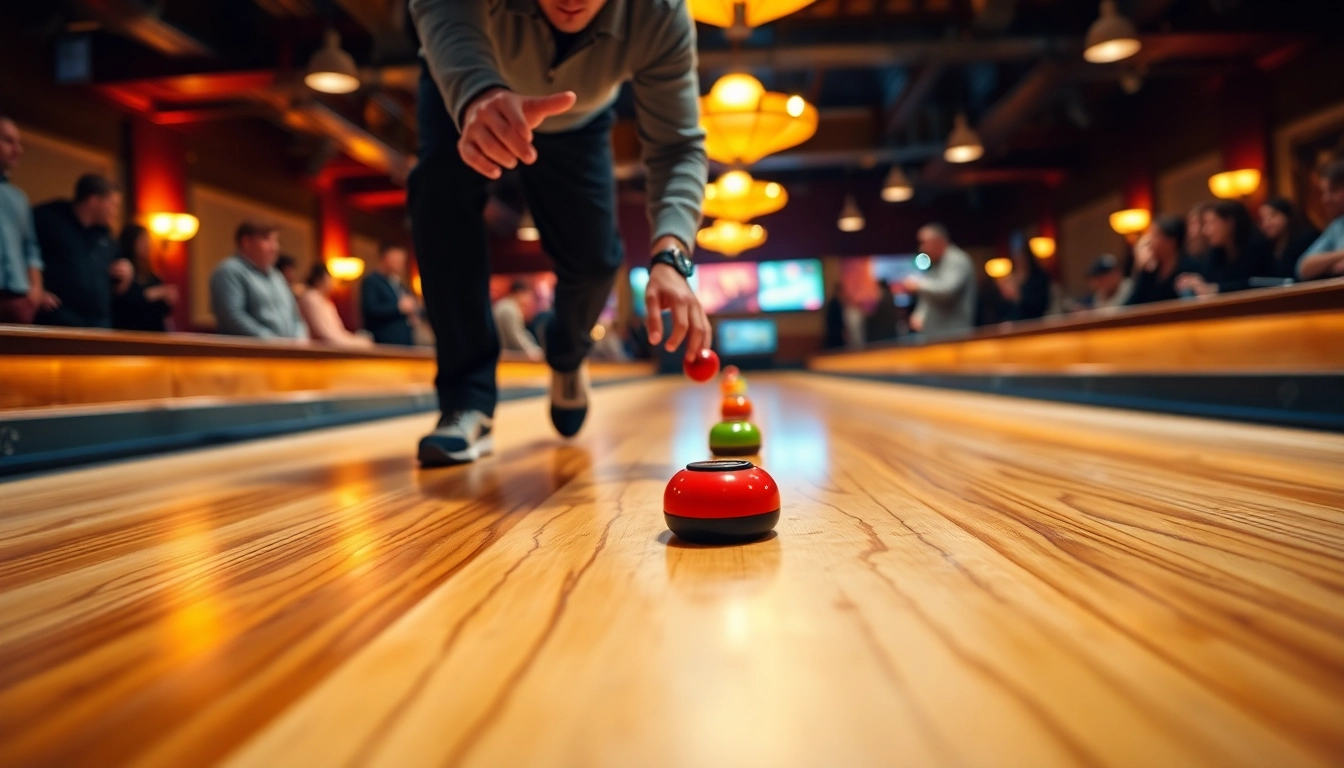
Understanding Shuffleboard Basics
What is Shuffleboard?
Shuffleboard is a captivating sport, blending skill, strategy, and a touch of competition. Played on a long, narrow court, players slide weighted pucks, often called weights or shuckles, aiming to land them in designated scoring zones at the opposite end of the table. The game can be enjoyed in a variety of settings, from casual get-togethers among friends to competitive leagues and tournaments.
Shuffleboard Equipment Overview
The primary equipment for playing shuffleboard includes the shuffleboard table, weights, and cues (in some variants). Shuffleboard tables are usually crafted from high-quality wood and can vary in size, with the standard lengths ranging from 9 to 22 feet. The weights are usually made from metal and plastic and come in distinct colors, commonly red and blue, to distinguish between players or teams. Players may also use cues, which are long sticks that help propel the weights along the table, though many casual players prefer to slide them directly by hand.
Basic Rules of Play
Understanding the basic rules is crucial for enjoying shuffleboard. Players take turns sliding their weights down the table. The objective is to land your weights in the highest scoring zones while simultaneously trying to knock opponents' weights out of scoring positions. Each round consists of players sliding all their weights, and points are tallied based on the positions of the weights in relation to the scoring zones. The first player to reach a predetermined score, traditionally 15 or 21 points, wins the game.
Essential Techniques for a Successful Shuffleboard Move
Proper Stance and Grip
Having the correct stance and grip is essential in executing a successful Shuffleboard Move. Stand with your feet shoulder-width apart to maintain balance. Hold the weight firmly but not too tightly; your grip should allow for smooth motion. Align your body with the direction you want to send the weight. A proper stance minimizes the chances of your weight veering off target and improves your overall control.
Executing the Shuffleboard Move
The execution of a Shuffleboard Move involves a combination of technique and finesse. Start by positioning the weight at the edge of the table. Use a controlled, smooth pushing motion, giving the weight a gentle flick with your fingers. The goal is to have the weight glide smoothly over the surface, utilizing the proper speed and aiming for the desired target area. Practicing different angles and speeds will help you master the art of sliding your weights consistently.
Common Mistakes to Avoid
Even seasoned players can commit errors that hinder performance. One common mistake is applying too much force, which can cause the weight to overshoot its target. Additionally, neglecting to account for table conditions like humidity and wax buildup can affect how weights slide. It's crucial to consider these factors, maintain awareness during each shot, and adjust accordingly for optimal play.
Advanced Strategies to Enhance Your Shuffleboard Move
Mastering Puck Placement
Mastering puck placement is contingent on understanding angles and calculating potential rebounds. During play, aim to land your weights in areas that give you the highest points while minimizing your opponent's scoring opportunities. Advanced players often practice position play, focusing on setting up weights strategically to block opponents or create chances for future shots.
Reading Your Opponent's Strategy
Being able to read your opponent's strategy can significantly enhance your gameplay. Observe their body language and shooting patterns. Adjust your tactics based on their tendencies; if they prefer offensive shots, preparing your defensive moves can create advantageous situations for yourself. This situational awareness is key to outsmarting your competition.
Utilizing Spin and Angles
When engaging in more advanced techniques, learning how to utilize spin and angles can elevate your gameplay. By applying rotational force as you execute your shot, you can alter the path of your weight, potentially redirecting it towards advantageous positions or away from your opponent's pieces. Experimenting with different spins during practice can help in developing these techniques.
Common Variations of the Shuffleboard Move
Defensive Moves
Defensive moves are crucial for successful gameplay. Players can position their weights strategically to block scoring zones or set up obstacles that make it harder for opponents to place their weights favorably. This approach helps in maintaining a score advantage and managing the flow of the game.
Offensive Strategies
Offensive strategies involve aggressive placements aimed at maximizing scoring potential. For instance, players may aim for specific high-scoring zones or position their weights to knock opponents' pucks away from scoring areas. This approach not only increases score potential but also adds pressure on opponents, leading to potential mistakes.
Creative Shot Variations
Creative shot variations can distinguish great players from good ones. Techniques such as the wrap shot, wherein the weight curls around opponents' weights, can be effective in reclaiming scoring areas while enhancing gameplay excitement. Developing unique shot styles can be both a strategic advantage and a crowd-pleaser in competitive environments.
FAQ: Enhancing Your Shuffleboard Skills
What are the things you slide in shuffleboard called?
In shuffleboard, players slide pucks often referred to as weights or shuckles, aiming for specific zones.
How do you improve your Shuffleboard Move?
Practice different techniques, focus on stance, and work on your control while aiming for accuracy with your weights.
What are some common shuffleboard rules?
Players score points by sliding their weights to land in scoring zones; the player with the highest score after all weights are played wins.
Is shuffleboard a team sport?
Yes, shuffleboard can be played as singles or in teams, with gameplay strategies varying based on the format.
What types of shuffleboard exist?
There are various types, including table shuffleboard, outdoor shuffleboard, and even floor shuffleboard, each with distinct rules.
With the insights and techniques provided here, players can develop their skills and strategies for executing a successful Shuffleboard Move. Through consistent practice and keen observation, you’ll elevate your gameplay and enjoy this wonderful sport even more!