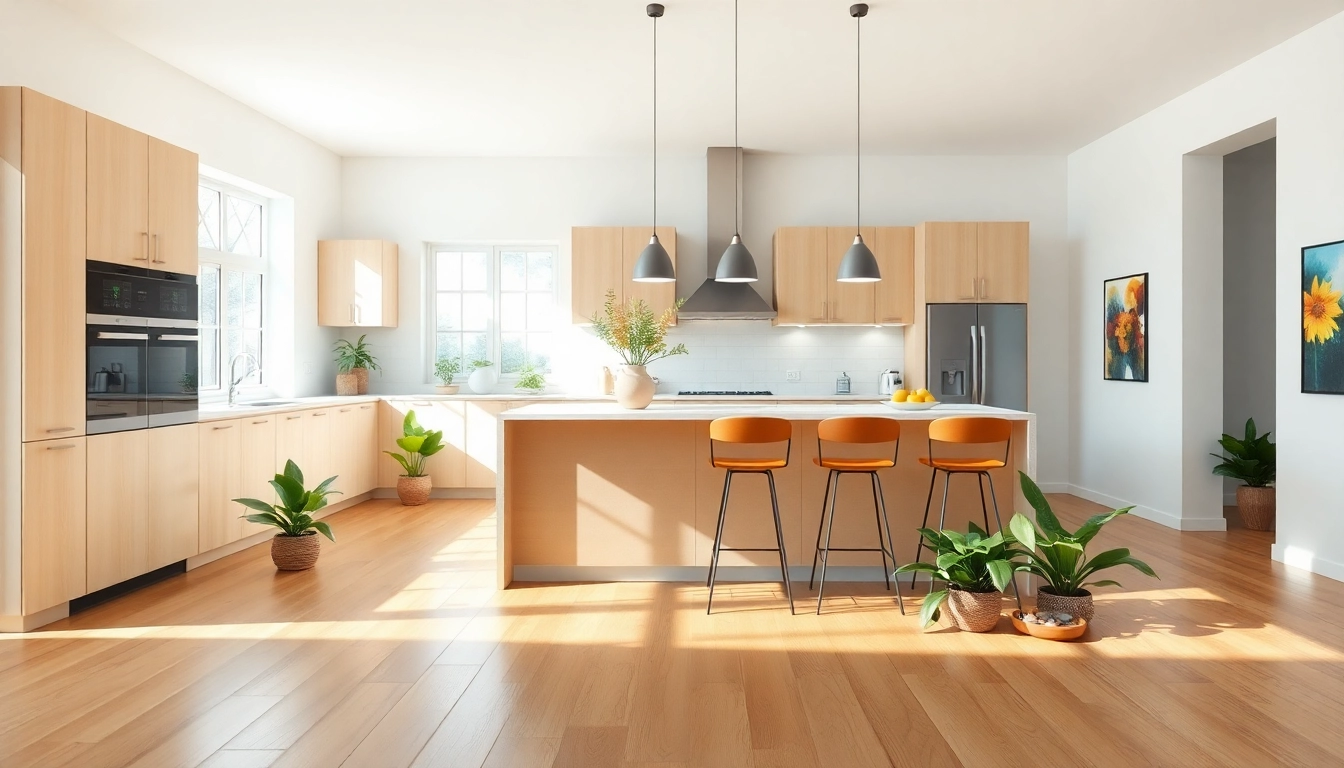
Understanding the Basics of Home Improvement
What is Home Improvement?
Home improvement involves any structural, functional, or aesthetic enhancement made to a residential property. This can range from simple cosmetic updates, like painting or landscaping, to extensive renovations such as kitchen remodels or room additions. Home improvement serves not just to increase property value but also enhances the quality of life by allowing homeowners to customize their spaces to better suit their needs.
Types of Home Improvement Projects
There are several categories of home improvement projects, each serving different purposes and requiring various levels of investment:
- Cosmetic Upgrades: Involves changes like painting walls, updating fixtures, or adding decorative elements.
- Functional Improvements: Focuses on enhancing the usability of a space, such as renovating a kitchen or a bathroom.
- Structural Changes: Includes major alterations, such as adding new rooms or expanding existing spaces.
- Energy Efficiency Enhancements: Upgrades aimed at reducing energy consumption, including new windows, insulation, or solar panels.
- Outdoor Improvements: Projects that enhance the exterior of the home, such as landscaping, deck construction, or patio installations.
Why Invest in Home Improvement?
Investing in home improvement is critical for several reasons. First, it can significantly increase a property's market value, making it a wise financial decision for homeowners looking to sell in the future. Second, it allows you to personalize your living space, adapting it to your lifestyle and preferences. Finally, improvements can enhance energy efficiency, leading to long-term savings on utility bills and creating a more sustainable living environment. Understanding the need for continuous upkeep also instills pride in ownership.
Planning Your Home Improvement Project
Setting Your Budget for Home Improvement
Establishing a budget is the foundation of any successful home improvement project. Begin by assessing your financial capacity and determining how much you are willing to invest in renovations. Break down your budget into categories — materials, labor costs, and a contingency fund for unexpected expenses (typically 10-20% of the total budget). This will help ensure your project remains financially feasible and avoids unnecessary stress down the line.
Creating a Timeline for Your Project
A well-defined timeline is essential in maintaining the momentum of your project. Outline all the stages of your renovation, from planning and design to the final touches. Factor in potential delays by consulting with professionals or conducting research. A realistic schedule helps keep everyone involved accountable and ensures the project is completed in a timely manner, allowing you to enjoy your improvements sooner.
Choosing the Right Materials for Home Improvement
Selecting high-quality materials is vital for achieving lasting results. Research the best materials based on your project's goals, budget, and desired aesthetics. For example, opting for energy-efficient insulation can enhance home comfort and reduce utility bills. Additionally, consider the durability of materials, especially in high-traffic areas, and seek sustainable options when possible, which align with green building principles.
DIY Home Improvement Ideas
Simple DIY Projects for Beginners
For homeowners interested in taking a hands-on approach, there are many rewarding DIY projects. Start with simple tasks such as:
- Painting Rooms: Refreshing colors can transform a space dramatically.
- Installing Shelving: Adding shelves can enhance organization and make use of vertical space.
- Landscaping: Planting flowers or shrubs can improve curb appeal without significant costs.
- Creating a Feature Wall: Use wallpaper or paint techniques for an attractive focal point.
Essential Tools for Home Improvement
Investing in the right tools can make any home improvement task easier and more efficient. Essential tools include:
- Power Drill: Useful for a variety of projects including assembling furniture and hanging shelves.
- Stud Finder: Ensures you are anchoring shelves or TVs into wall studs for maximum stability.
- Level: Ensures that your pictures, shelves, and other installations are even.
- Paintbrushes and Rollers: Critical for a smooth, even finish when painting.
Tips for Successful DIY Execution
To maximize your DIY home improvement project, follow these best practices:
- Plan Thoroughly: Create a step-by-step plan and adhere to it as closely as possible.
- Prioritize Safety: Always wear protective gear and follow safety guidelines when using tools.
- Ask for Help : Don’t hesitate to seek assistance from friends or online forums if challenges arise.
- Learn as You Go: Embrace the process as a learning experience; watch tutorials or read guides related to your project.
Hiring Professionals for Home Improvement
When to Hire a Contractor
While DIY is appealing, certain projects require professional expertise due to their complexity or safety concerns. Consider hiring a contractor for:
- Major Renovations: Expansions or structural changes often need specialized skills.
- Electrical and Plumbing Work: These tasks require licensed professionals to ensure safety and compliance with codes.
- Design Services: When you need a cohesive vision or creative guidance for aesthetics and space use.
How to Choose the Right Professional
Finding the right contractor is crucial for project success. Start by researching and asking for recommendations. Verify credentials, check reviews, and request estimates from multiple professionals for comparison. Communicate your vision and expectations clearly to ensure they align with your goals. Establish a written contract detailing the scope of work, timelines, and payment schedules.
Common Mistakes to Avoid with Home Improvement Professionals
To avoid pitfalls when working with contractors, steer clear of these common mistakes:
- Failing to Negotiate: Always seek multiple bids and negotiate where possible.
- Ignoring Warranties: Ensure you understand any work or material warranties before signing contracts.
- Poor Communication: Frequent check-ins can help keep the project on track and clarify any changes needed.
- Not Setting Milestones: Establish project milestones to evaluate progress and address any issues promptly.
Maintaining Your Home Post-Improvement
Regular Maintenance Tips for Home Improvement
After completing your home improvement projects, it's crucial to develop a maintenance routine to preserve your enhancements. This includes regular cleaning, checks for wear and tear, and timely repairs to avoid costly future fixes. Scheduling seasonal inspections helps address potential problems proactively.
Seasonal Checks for Your Renovated Spaces
Seasonal checks should include inspecting your HVAC system, gutters, roofing, and the exterior of your home. In winter, ensure proper insulation and check for ice damming on roofs. In summer, assess outdoor spaces for wear caused by sun and humidity. Regular upkeep extends the lifespan of your improvements and prevents extensive damage.
Updating Your Home Over Time
The world of home improvement is ever-evolving, with new trends and technologies emerging regularly. Stay informed by subscribing to home improvement magazines or blogs, and consider how your living space can adapt to accommodate changing styles and needs. A proactive approach to updates ensures that your home remains functional and visually appealing.
Frequently Asked Questions (FAQs)
What is the most common home improvement project?
Kitchen remodeling is one of the most common home improvement projects, significantly enhancing functionality and aesthetics.
How do I increase my home’s value with improvements?
Focus on kitchen and bathroom renovations, energy efficiency upgrades, and curb appeal enhancements to increase market value.
What should I consider before starting a DIY project?
Evaluate your skills, understand the project scope, create a budget, and ensure you have the necessary tools and materials.
How can I find reliable home improvement contractors?
Research online reviews, seek recommendations, verify credentials, and interview multiple candidates before making a decision.
What maintenance tasks should I regularly perform?
Regularly check your roof, gutters, HVAC systems, plumbing fixtures, and any outdoor structures for upkeep and repairs.