Understanding the Attractiveness Test
The quest for understanding attractiveness has intrigued humans for centuries, evolving with cultural shifts and technological advancements. An attractiveness test serves as a tool to gauge one's appeal based on various metrics, often powered by artificial intelligence. These tests blend science, psychology, and aesthetics to offer insights into one’s facial features and overall attractiveness. As we delve deeper into the mechanics and implications of these assessments, it’s crucial to understand what they entail, how they operate, and their significance in contemporary society.
What is an Attractiveness Test?
An attractiveness test is a structured approach to evaluate how appealing a person's face is perceived to be based on scientific and aesthetic standards. Typically, these tests analyze various facial features using algorithms that score elements such as symmetry, proportion, and other beauty metrics. The results can offer individuals a numerical value or qualitative feedback about their attractiveness, often leading to self-reflection and, in some cases, a drive for self-improvement.
How Do Online Attractiveness Tests Work?
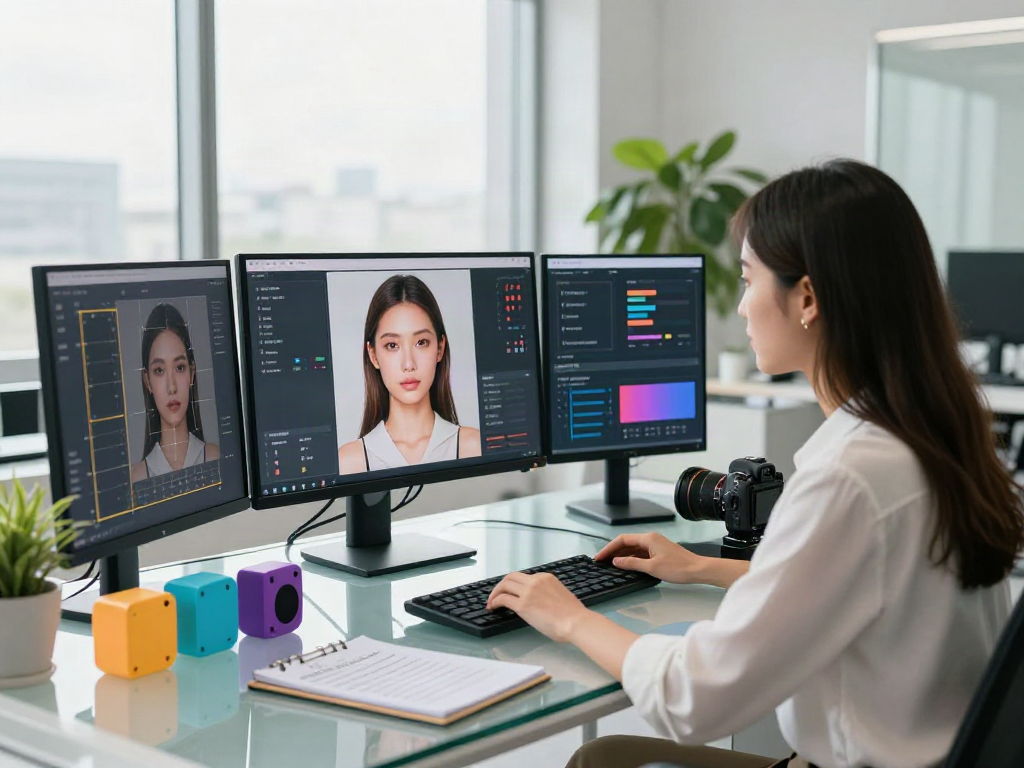
Online attractiveness tests utilize sophisticated algorithms that analyze uploaded images to produce an attractiveness score. Here's a quick overview of the process:
- Image Upload: Users upload a clear photograph of their face.
- Feature Detection: The AI identifies key facial features, such as the eyes, nose, mouth, and overall symmetry.
- Scoring: Using metrics like the golden ratio and facial symmetry, the algorithm assigns a score, often on a scale from 1 to 10.
- Feedback: Users receive insights into aspects of their faces that contribute positively or negatively to their attractiveness.
Key Metrics Used in Attractiveness Assessments
Attractiveness assessments commonly hinge on several crucial metrics. These include:
- Facial Symmetry: A key indicator of beauty; symmetrical faces often score higher due to their perceived aesthetic appeal.
- Golden Ratio: This ancient mathematical principle is used as a standard of beauty, reflecting ideal proportions.
- Canthal Tilt: The angle of the eyes plays a significant role in attractiveness, particularly for feminine beauty standards.
- Skin Quality: Clear, even-toned skin can significantly impact attractiveness scores.
The Science Behind Attractiveness
Understanding the science behind attractiveness is essential for interpreting test outcomes accurately. Beauty, often perceived as subjective, has some objective elements rooted in biology and psychology.
Facial Symmetry and Its Impact
Numerous studies have revealed a strong correlation between facial symmetry and perceived attractiveness. Researchers suggest that symmetrical faces are often seen as healthier and more genetically viable, which influences mate selection. The human brain tends to favor the familiar, making symmetrical features inherently appealing to our cognitive biases.
Golden Ratio: A Beauty Standard Explained
The golden ratio, approximately 1.618, has been used for centuries to define beauty standards. Artists and architects have employed this ratio in their works, creating a visual harmony that resonates with viewers. In facial aesthetics, the golden ratio can be applied to assess the proportions of facial features, guiding AI algorithms in attractiveness evaluations.
Cultural Differences in Attractiveness Perception
Attractiveness is not a universal standard; it varies widely across cultures. What one society finds attractive, another may not. For instance, certain cultures may prioritize facial symmetry, while others might emphasize distinct facial features, such as high cheekbones or a strong jawline. Understanding these nuances is vital when analyzing the results of attractiveness tests.
Attractiveness Test Tools Available in 2026
As technology continues to advance, the variety of tools available for testing attractiveness is expanding, offering both free and paid options.
Top Free Online Attractiveness Tests
Several free online platforms provide users with the opportunity to gauge their attractiveness. These tools often use basic algorithms and can yield fun and insightful results. Examples include:
- Rate My Face: Users upload photos and receive scores based on a variety of metrics.
- The Face Report: This service offers comprehensive feedback on facial features based on AI analysis.
Paid Tools: Are They Worth It?
While many free tools exist, there are also premium services that may offer more thorough analyses and detailed feedback. Paid tools often employ advanced algorithms capable of providing deeper insights into beauty metrics, along with personalized advice. However, whether they are worth the cost ultimately depends on individual preferences and intentions.
AI vs. Traditional Methods of Appearance Assessment
Traditional methods of assessing beauty often relied on human judgment, which can be subjective and influenced by cultural biases. In contrast, AI-driven assessments leverage data and algorithms to provide more standardized results. However, the accuracy of AI tests depends on the quality of the data fed into these systems and the inherent biases programmed into the algorithms.
Practical Uses of Attractiveness Tests
Understanding one’s attractiveness can have several practical applications in various aspects of life.
Self-Improvement and Personal Branding
Many individuals utilize attractiveness tests as tools for self-improvement. By receiving feedback about their facial features, users can identify areas they wish to enhance or modify. This self-awareness can lead to better personal branding, especially in social media and professional settings.
Social Media Influence and Image Management
In today’s digital world, an individual’s appeal can significantly influence social media engagement and personal branding. Attractiveness tests can help users curate their online images, ensuring they present their best selves to their audience. This can be particularly crucial in industries like modeling or entertainment where physical appearance can impact success.
Implications in Dating and Relationships
Attractiveness tests can also play a role in dating, as individuals often look for partners who they find appealing. While physical attraction is just one aspect of relationships, understanding personal attractiveness can help individuals express confidence and engage in more successful social interactions.
Future Trends in Attractiveness Testing
As we look towards the future, the landscape of attractiveness testing is poised for significant enhancements driven by technological innovations.
Technological Advancements in Beauty Assessment
Emerging technologies, such as augmented reality and advanced AI, are set to redefine how we assess beauty. These advancements may lead to more personalized assessments that take into account a wider range of factors, including mood, lighting, and even facial expressions, further enhancing the user experience.
Ethical Considerations and Body Image Issues
With the rise of attractiveness testing, ethical considerations regarding body image and self-esteem are becoming increasingly pressing. It is essential for both developers and users to approach these tests with caution, recognizing the potential negative impacts they can have on self-image and mental health.
Predictions for the Beauty Tech Industry in 2026
Looking ahead to 2026, we can anticipate the aesthetic technology industry to become more prevalent and integrated into our daily lives. As societal perceptions of beauty continue to evolve, so too will the tools we use to measure and navigate these perceptions.
What are the benefits of taking an attractiveness test?
Attractiveness tests can foster greater self-awareness and understanding of individual appeal, potentially leading to improvements in personal grooming and confidence.
Can attractiveness tests be misleading?
While these tests can provide valuable insights, they may not always account for subjective or cultural perceptions of attractiveness, which can lead to misleading outcomes.
How do cultural perceptions affect attractiveness scores?
Cultural differences can profoundly shape what is deemed attractive. Factors such as ethnicity, facial features, and societal norms play critical roles in how beauty is perceived.
Are AI-generated results reliable for self-assessment?
AI-generated results can provide a useful benchmark, but they should be supplemented with personal reflection and consideration of subjective beauty standards.
What is the role of social media in attractiveness perception?
Social media heavily influences attractiveness perceptions, as users often compare themselves to curated images of beauty that may not reflect real life, emphasizing the need for critical engagement with these platforms.