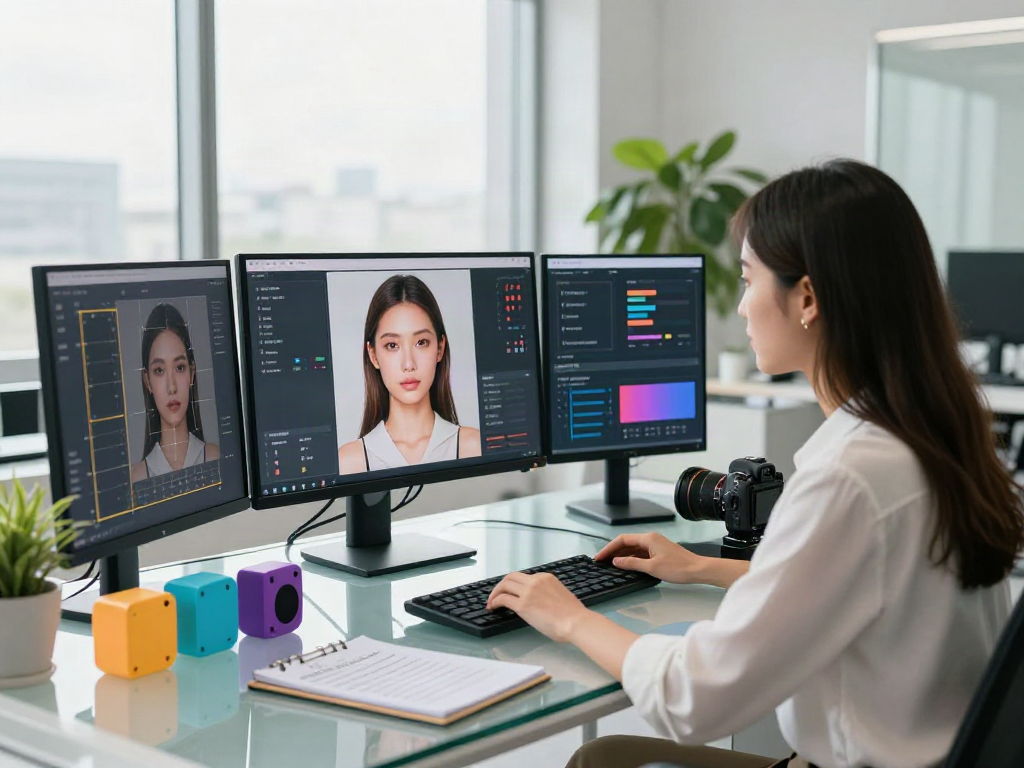
Understanding Facial Aging and Perception
Have you ever looked in the mirror and wondered, "How old do I look?" This question not only reflects our curiosity but also highlights the complexities of facial aging and perception. As we navigate through life, our physical appearance can sometimes feel disconnected from our actual age, leading to an interest in understanding how we are perceived by others. This article delves into the science and technology behind estimating age, the role of artificial intelligence, and how you can engage with these tools to explore your own facial aging.
When exploring options, how old do I look is a great resource that provides comprehensive insights into age estimation.
What Does “How Old Do I Look” Mean?
The phrase "how old do I look" carries significant weight in today's society, where appearance often influences perception. This question taps into our desire for self-awareness and validation. Whether for personal curiosity, social interactions, or even marketing strategies, understanding facial age can offer valuable insights. It has become a popular trend among social media users and health enthusiasts alike, who wish to compare their perceived biological age against their chronological age.
The Science Behind Facial Aging
Facial aging is a natural process influenced by a variety of factors, including genetics, environmental conditions, and lifestyle choices. Scientists have studied how skin elasticity decreases over time, leading to wrinkles, fine lines, and changes in skin tone. The aging process differs from person to person, making it intriguing to see how external factors contribute to our overall appearance. Advanced research has shown that specific indicators, such as the depth of wrinkles and tone variations, play crucial roles in how old a person appears.
Common Misconceptions About Age Perception
Many people believe that looking younger or older is solely dependent on genetics. However, external elements—such as sun exposure, diet, and smoking—greatly influence our appearance as well. Moreover, psychological factors can skew how individuals perceive their age. Studies have indicated that self-perception can significantly affect how we present ourselves and how others perceive us. Recognizing these misconceptions can help us approach age estimation with a more informed perspective.
How AI Technology Works in Age Estimation
Artificial Intelligence (AI) has revolutionized the way we interact with technology, and its application in age estimation is no exception. AI algorithms analyze vast amounts of data to make predictions based on features extracted from facial images. Understanding how this technology works allows us to appreciate the complexity and accuracy it can offer.
The Role of Machine Learning in Facial Recognition
Machine learning is a subset of AI that focuses on the development of algorithms that can learn from and make predictions based on data. In the realm of age estimation, machine learning models are trained on massive datasets containing images of individuals across various ages. By recognizing patterns in these images, the AI learns to associate specific facial features with probable ages, enabling it to make educated guesses when presented with new images.
Analyzing Skin Features and Aging
AI age estimation tools typically assess several skin features, including smoothness, texture, and pigmentation. Advanced algorithms meticulously analyze these attributes to calculate an estimated age. The analysis often includes a focus on fine lines around the eyes, mouth, and forehead, as these are common indicators of aging. As technology continues to evolve, these assessments are becoming increasingly accurate, providing insights that were once only guesses.
Data Privacy Concerns with AI Age Apps
While the advancements in AI technology are remarkable, they also come with significant privacy concerns. Users must be aware of how their data is being used. Many AI applications require users to upload personal photos, which raises questions about data security and ownership. As you choose age estimation tools, it is essential to review their privacy policies and ensure that your data will be protected and not shared without your consent.
Choosing the Right Age Estimation Tool
Not all age estimation tools are created equal. With a plethora of options available, knowing how to select the right one is crucial for accurate results. Understanding the features and capabilities of different applications can enhance your experience and provide more reliable insights.
Features to Look For in Age Estimation Apps
- Accuracy: Look for apps that have been tested against a wide range of demographics.
- User Experience: Choose intuitive apps that are easy to navigate.
- Privacy Controls: Ensure the app provides clear guidelines on data usage.
- Customization Options: Some apps allow users to adjust for lighting, angles, or expressions for better accuracy.
- Additional Insights: Features that offer skincare advice or aging patterns can be beneficial.
Comparing Popular AI Tools
Popular tools such as FaceAge, Fotor, and BeautyPlus offer various features ranging from simple uploads to in-depth analysis. Each application has its strengths, with some focusing on fun and engagement while others provide clinical accuracy and detailed feedback. When comparing tools, consider your goals: Are you looking for a serious assessment or just a fun activity with friends?
User Reviews and Feedback
Before committing to a particular app, reading user reviews can provide insights into its reliability and performance. Feedback from real users can highlight strengths or weaknesses that may not be apparent from promotional materials. Whether through app stores or forums, user experiences can guide you toward the most effective age estimation tools.
Improving Your Image for Better Age Results
Your photo quality can significantly influence the accuracy of age estimation apps. Following specific best practices when uploading images can enhance the results you receive.
Tips for Uploading Photos to AI Apps
- High Resolution: Use a high-quality image to ensure all facial features are clear.
- Neutral Expression: A relaxed, neutral expression often yields the best results.
- Recent Photos: Use the most current pictures to get the most accurate assessment.
Lighting and Background Considerations
Good lighting is crucial for accurate age estimation. Natural light often works best, as it helps to illuminate facial features without casting harsh shadows. A plain background can also prevent distractions that might confuse the AI.
Common Mistakes to Avoid
Avoid using heavily filtered or edited images, as these can distort facial features and lead to inaccurate age estimations. It's also essential to steer clear of images where your face isn't clearly visible or is obscured by objects or hair. The clearer the image, the more effectively the software can analyze your features.
Future Trends in Age Estimation Technology
The field of AI and age estimation is rapidly evolving. As we look to the future, several exciting developments are anticipated.
Predictions for AI Developments in 2026
By 2026, we expect significant advancements in AI algorithms that will allow for even greater accuracy in age assessments. Enhanced machine learning models, combined with larger datasets from diverse populations, will help refine predictions. Additionally, integration with augmented reality (AR) technology could provide real-time age assessments in social media platforms and video calls.
Integrating Age Estimation in Social Media
As more individuals seek to connect and engage with age perception, social media platforms are likely to incorporate age estimation features directly into their interfaces. This integration could enable users to share age estimates alongside their images, adding a playful aspect to social interactions while also serving marketing interests.
Ethical Considerations and Future Regulations
With the rise of AI technology comes the responsibility to address ethical concerns. Regulations surrounding data privacy and consent will be crucial as the demand for age estimation tools grows. Ensuring that users have control over their data and understand its use will be paramount as we move forward. As technology continues to advance, watching for trends in how companies balance innovation with user rights will be essential.