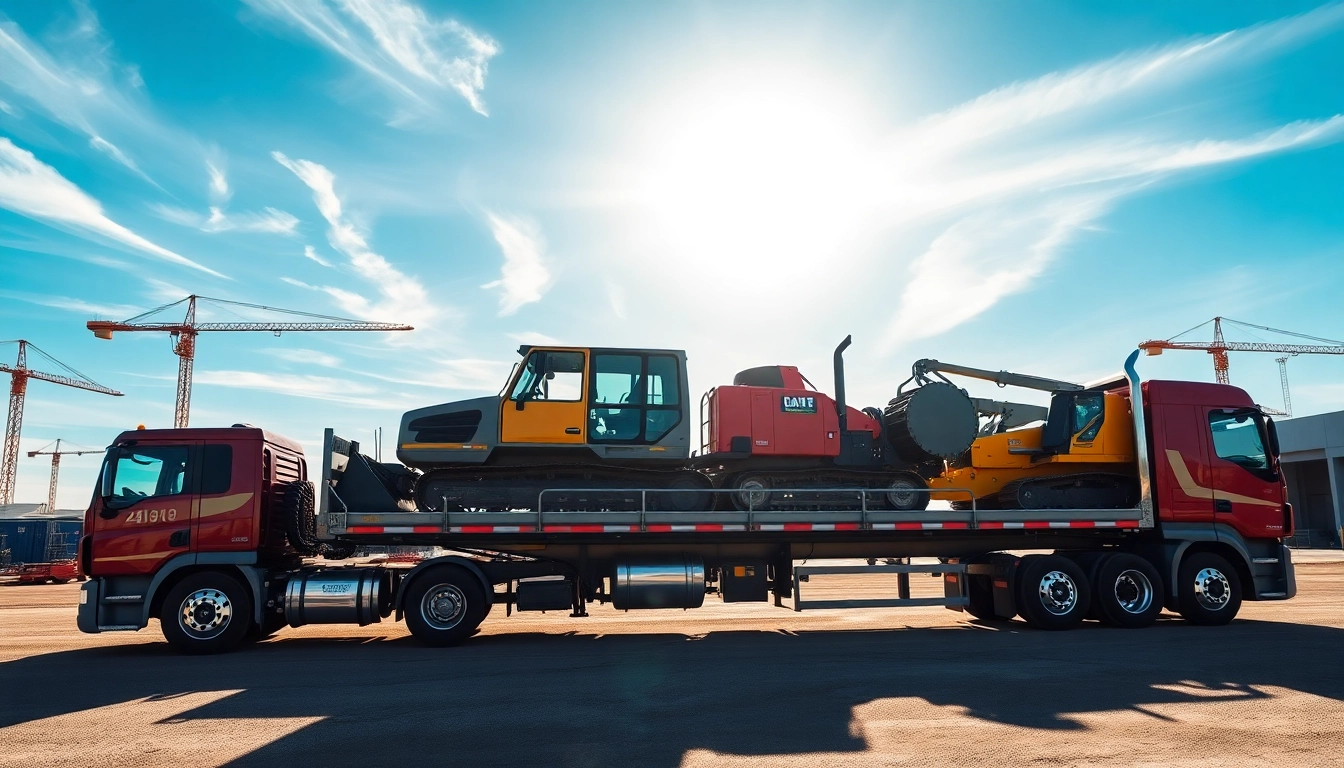
Understanding Equipment Transport Basics
Equipment transport is a critical component of various industries, allowing for the safe and efficient movement of machinery and tools from one location to another. Whether it’s construction, agriculture, or manufacturing, the need for reliable equipment transport services is undeniable. This article will delve into the nuances of equipment transport, exploring types of transport methods, regulations, costs, and more.
What is Equipment Transport?
Equipment transport refers to the process of moving heavy machinery and equipment from one site to another. This can include construction equipment, agricultural machinery, industrial tools, and more. The logistics of equipment transport encompass various factors, such as the method of transport, safety protocols, and legal regulations governing the transportation of oversized loads.
Types of Equipment Transport Methods
There are several methods utilized in equipment transport, each suited for different types of machinery and transport needs. These methods include:
- Flatbed Trucks: Commonly used for transporting construction equipment, flatbed trucks provide ease of loading and unloading.
- Lowboy Trailers: Ideal for oversized equipment, lowboy trailers allow for a lower height during transport, minimizing height clearance issues.
- Heavy Haulers: Specialized trucks designed to carry oversized loads often used in construction and mining industries.
- Rail Transport: An efficient choice for long-distance hauls, rail transport can accommodate large volumes of equipment.
- Water Transport: Used primarily for heavy machinery that cannot be easily transported overland, maritime transport involves shipping via barges or cargo ships.
Key Regulations in Equipment Transport
Equipment transport is subject to various regulations that ensure safety and compliance. Key regulations include:
- Weight Restrictions: Federal and state laws impose weight limits on vehicles to prevent road damage and improve safety.
- Permits: Oversized loads often require special permits; carriers must obtain these before transport begins.
- Safety Standards: Compliance with safety standards is critical to ensure the secure transport of heavy machinery.
Cost Considerations for Equipment Transport
The cost of equipment transport can vary significantly based on multiple factors. Understanding these can help businesses budget effectively.
Factors Affecting Transport Costs
Numerous factors can influence the overall cost of transporting equipment. These include:
- Distance: Longer distances usually result in higher transportation costs due to fuel and time expenditure.
- Equipment Size and Weight: Heavier and larger machinery often requires specialized transport, which can add to the cost.
- Route Complexity: Routes that involve challenging terrains, road conditions, or urban settings may incur additional charges.
- Seasonal Demand: Costs can fluctuate based on the time of year, with peak seasons seeing higher rates due to increased demand.
Average Transport Rates Explained
Transport rates can vary, but a general breakdown for moving heavy equipment per mile is as follows:
- 0-200 miles: $4.00 – $5.00 per mile
- 200-500 miles: $3.50 – $4.00 per mile
- 500-1,000 miles: $3.00 – $3.50 per mile
- 1,000-1,500 miles: $2.50 – $3.00 per mile
Cost-Saving Tips for Equipment Transport
To minimize expenses while ensuring efficiency, businesses can implement these cost-saving strategies:
- Book in Advance: Early scheduling often results in reduced rates due to lower demand.
- Consolidate Loads: Transporting multiple pieces of equipment at once can lead to significant savings.
- Choose Off-Peak Season: Planning transportation during off-peak times can help avoid surge rates.
- Optimize Route Planning: Assess routes to avoid tolls, traffic delays, and construction zones.
Choosing the Right Equipment Transport Service
Selecting a reliable equipment transport service is crucial for the safety and efficiency of your operations. Here’s how to choose the right provider.
How to Evaluate Transport Providers
When searching for an equipment transport provider, consider the following criteria:
- Experience: Look for companies with a proven track record in transporting the specific types of equipment you need.
- Safety Record: Investigate the safety history of potential transporters to ensure they follow proper protocols.
- Customer Reviews: Reviews from previous clients can give insight into the company’s reliability and service quality.
- Insurance Coverage: Ensure the company provides adequate insurance for cargo loss or damage.
Importance of Insurance in Equipment Transport
Insurance is a vital component in equipment transport, as it safeguards against potential risks such as:
- Theft: Protects against loss due to theft during transit.
- Damage: Covers losses incurred from accidents or mishandling.
- Liability: Protects the transport company from claims resulting from injuries or property damage during transport.
Green Practices in Equipment Transport
Adopting environmentally friendly practices in equipment transport is becoming increasingly important. Some strategies include:
- Use of Eco-Friendly Fuels: Opting for biodiesel and other sustainable fuels can greatly reduce carbon footprints.
- Optimized Routes: Implementing technology to plan the most fuel-efficient routes minimizes waste.
- Regular Maintenance: Keeping transport vehicles in good condition enhances fuel efficiency and reduces emissions.
Challenges in Equipment Transport
While equipment transport is essential for various industries, it also has its set of challenges that need to be addressed efficiently.
Common Obstacles When Hauling Equipment
Some of the most prevalent challenges in equipment transport include:
- Traffic Delays: Traffic congestion can lead to delays, impacting schedules.
- Weather Conditions: Adverse weather can disrupt transportation plans and affect safety.
- Legal Hindrances: Navigating through different state regulations and permits can be cumbersome.
- Equipment Compatibility: Ensuring the transport vehicle can adequately accommodate different types of equipment can be challenging.
Strategies to Overcome Transport Challenges
Implementing certain strategies can help mitigate the challenges of equipment transport:
- Real-Time Tracking: Utilizing GPS and tracking software helps in monitoring transport progress and adjusting routes as necessary.
- Contingency Planning: Preparing for potential setbacks by having contingency plans can help keep projects on schedule.
- Weather Monitoring: Keeping an eye on weather forecasts can guide timely decisions regarding transport schedules.
Technological Innovations in Equipment Transport
Embracing technology in equipment transport enhances safety, efficiency, and cost-effectiveness. Notable innovations include:
- Telematics: GPS tracking and telematics systems improve route optimization and logistics management.
- Automated Load Sensors: These sensors can monitor the load and distribute weight evenly to maintain vehicle stability.
- Mobile Applications: Apps that facilitate booking, tracking, and communication streamline the transport process.
FAQs About Equipment Transport
How to prepare equipment for transport?
Clean the equipment, check for any damages, secure loose parts, and remove any hazardous materials. This preparation helps prevent damage during transport.
What are the most common types of equipment transported?
The most common types include construction machinery, agricultural equipment, industrial tools, and vehicles like cranes and tractors.
How long does equipment transport usually take?
The duration of equipment transport varies based on distance and method. Generally, it can take anywhere from a few hours to several days.
What documents are needed for equipment transport?
Necessary documents typically include bills of lading, transport permits, insurance papers, and any state-specific forms required for oversized loads.
How to ensure the safety of equipment during transport?
Use high-quality straps and tie-downs, ensure proper weight distribution, and verify that the transport vehicle meets safety standards for the type of load being carried.